

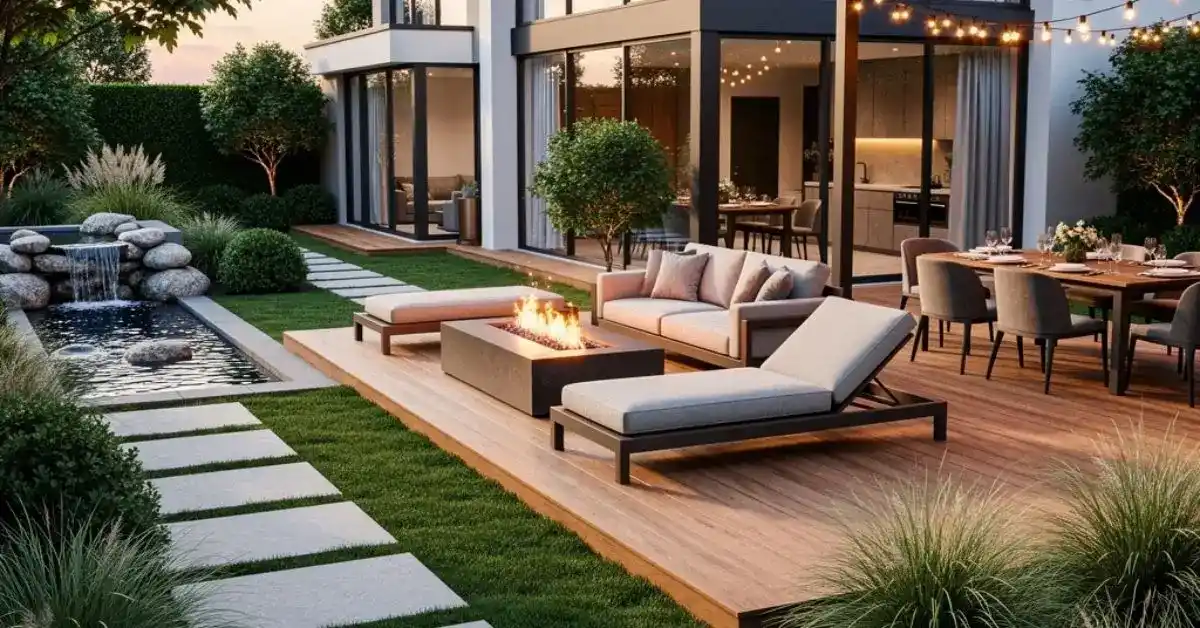
Contemporary Comfort Mipimprov: Home Improvement Guide 2026
Home improvement trends have spent the past decade pulling in two opposite directions. On one side, the minimalism movement stripped homes down to cold surfaces, sharp lines, and spaces that look impressive but feel uncomfortable to actually live in. On the other, the cozy maximalism movement added so much warmth and layering that homes felt visually busy and hard to maintain.
Most homeowners want something in between. They want homes that look current and intentional without feeling like a design showroom. They want spaces that are genuinely comfortable every day, not just on the day a photographer visits.
Contemporary comfort mipimprov is the framework that bridges this gap. This guide covers what it means, how to apply it in every major room, what specific improvements define this approach, and how to achieve it without either a designer’s budget or a designer’s degree.
What Is Contemporary Comfort Mipimprov?
Contemporary comfort mipimprov refers to a home improvement approach that combines modern, clean design principles with genuine warmth, livability, and practical function. It rejects both cold minimalism and cluttered maximalism in favor of spaces that feel visually current and thoughtfully designed while remaining comfortable and easy to live in every day. The approach focuses on quality materials, warm neutral palettes, natural textures, appropriate scale, and layered lighting as the foundational elements of a home that looks and feels genuinely good.
Quick Summary
Contemporary comfort mipimprov combines clean modern design with genuine warmth and livability. Think warm neutrals, natural materials, layered lighting, quality over quantity, and spaces scaled correctly for real daily use. This guide covers how to apply this approach room by room with honest US budget context.
Why Contemporary Comfort Beats Both Extremes
The problems with pure minimalism and pure maximalism in home improvement are practical, not aesthetic.
Minimalism’s real problem is livability. Homes that achieve the cold, stripped-back minimalism of architectural photography require constant effort to maintain. Every surface must be clear. Every object must be hidden. Every natural accumulation of daily life looks like a violation of the design scheme. This creates homes that photograph beautifully and live uncomfortably.
Maximalism’s real problem is maintenance. Heavily layered, object-rich interiors require significant ongoing attention to maintain the intentionality that separates curated from cluttered. When that attention lapses, the aesthetic collapses entirely.
Contemporary comfort mipimprov solves both problems by establishing a clear visual direction, contemporary and intentional, while maintaining enough warmth and flexibility that real life can happen without disrupting the design.
A home in this style looks cared for after a normal day rather than requiring a reset before it looks right.
The Core Elements of Contemporary Comfort
Understanding the specific elements that define this approach helps make better decisions about every improvement, purchase, and change.
Warm neutral palette as the foundation
Contemporary comfort spaces work from a warm neutral base. Soft whites with warm undertones, cream, greige, warm taupe, and warm light gray are the colors that create flexible, calming foundations. The key distinction from cold minimalism is the undertone. Warm undertones create spaces that feel naturally inviting. Cool undertones create spaces that feel clinical.
Avoid stark white and cool gray. Both read as cold in most residential lighting conditions despite looking crisp in photographs taken under controlled lighting.
Natural materials as the warmth layer
Clean contemporary lines are warmed through natural materials. Wood with visible grain in furniture and flooring. Linen and cotton in upholstery and window treatments. Stone or quartz in kitchens and bathrooms. Rattan, jute, and woven textiles as accessories.
These materials share a quality that manufactured alternatives cannot replicate. They have inherent warmth that comes from their origin. A wooden coffee table with visible grain in a contemporary room softens it in a way that a glass or resin alternative does not.
Quality over quantity in every category
Contemporary comfort mipimprov consistently chooses fewer, better pieces over more pieces at lower quality. This principle applies to furniture, accessories, materials, and finishes.
A single well-made linen sofa serves a room better than two cheaper options that compete for attention. Three quality ceramic objects on a shelf read as intentional. Ten objects at the same quality level read as collected rather than curated.
Layered lighting as the atmosphere control
Single overhead fixtures, which most US homes rely on as the primary or only light source, produce flat illumination that makes every design choice look worse than it is.
Contemporary comfort mipimprov requires layered lighting. Overhead for ambient light. Floor and table lamps at mid and low heights for warmth and atmosphere. Warm LED bulbs at 2700K to 3000K throughout. This combination creates depth and warmth that makes a room feel genuinely comfortable rather than just adequately lit.
Function built into the design
Contemporary comfort does not sacrifice function for aesthetics. Storage is designed to be accessible without being visible. Furniture is comfortable to use daily, not just to look at. Layouts support how people actually move through and use spaces rather than optimizing for a single photographic angle.
Living Room: Contemporary Comfort in Practice
The living room is where the contemporary comfort mipimprov approach is most visible and most impactful.
Sofa as the quality investment
A clean-lined sofa in a neutral performance fabric, linen blend, performance velvet, or woven textile, anchors the room. The silhouette should be simple without being severe. Visible legs lift the sofa visually and make the space feel lighter. Upholstered arms soften the profile without heavy detailing.
This is the piece worth spending more on. A quality sofa lasts a decade or more and serves as the visual center of the room for all of that time.
Area rug that defines the space
A correctly sized rug in a natural material, wool, jute, or cotton, defines the seating area and connects furniture to each other and to the floor. The front legs of all major seating pieces should sit on the rug. This connection is what makes a seating arrangement feel like a designed grouping rather than furniture placed near each other.
Layered lighting built in from the start
Floor lamp beside the sofa. Table lamps on side surfaces. Dimmer switch on the ceiling fixture. Warm bulbs throughout. This system costs $300 to $800 to establish in most US living rooms and produces a more significant atmosphere improvement than any furniture purchase at a similar price point.
One significant piece of artwork
A single large piece of art hung at the right height, center at approximately 57 to 60 inches from the floor, makes a living room feel complete. The most common mistake is choosing art that is too small for the wall. In contemporary comfort interiors, one oversized piece consistently outperforms a gallery wall of multiple smaller pieces in terms of visual clarity and impact.
Bedroom: Calm and Intentional
Contemporary comfort mipimprov in the bedroom focuses on creating genuine restfulness rather than visual interest for its own sake.
Platform or upholstered bed frame
A low platform bed or an upholstered headboard in a neutral fabric creates the clean, grounded look of contemporary comfort without the coldness of metal or stark wood. This is the foundational furniture piece around which all other bedroom decisions are made.
Natural fiber bedding in warm neutrals
Linen or high-thread-count cotton in white, cream, or warm stone. A textured throw at the foot of the bed in a complementary tone. Pillow arrangement kept simple. This combination costs $200 to $600 depending on quality level and produces a bedroom that reads as genuinely well-designed.
Blackout curtains in natural materials
Linen or linen-look blackout curtains hung close to the ceiling and extending beyond the window frame serve both functional and aesthetic purposes. They control light for sleep quality while making the room feel taller and windows feel larger.
Kitchen: Contemporary Comfort Without Full Renovation
The contemporary comfort approach produces significant kitchen improvement without requiring full renovation.
Hardware replacement as the first step
Current finishes, matte black, brushed gold, or brushed nickel, on clean simple profiles replace dated hardware and immediately update any kitchen. Cost is $60 to $400 for most kitchens. This single change is the highest return kitchen improvement available without touching structure, cabinets, or appliances.
Warm white or sage green on walls
Painting kitchen walls in warm white or a muted sage green creates the natural, warm contemporary atmosphere that distinguishes contemporary comfort from cold modern design. These colors work with wood tones, white or cream cabinetry, and virtually any countertop material.
Under-cabinet lighting
LED strip lighting under upper cabinets illuminates countertop work surfaces and adds warmth to the kitchen in the evening. Cost is $100 to $300 installed. The improvement in both function and atmosphere is disproportionate to the cost.
Bathroom: Spa-Adjacent Without Renovation
Warm fixture finishes
Matte black or brushed gold faucets, towel hardware, and accessories in a consistent finish elevate any bathroom immediately. Combined with fresh white or cream towels in a consistent palette, this creates the coherent, intentional look of contemporary comfort without structural changes.
Framed mirror upgrade
Replacing a builder-grade frameless mirror with a simple framed option adds definition and warmth to the bathroom without touching plumbing or tile. Cost ranges from $80 to $300 depending on size and frame style.
Plants and natural material accessories
A ceramic soap dish, a wooden bath tray, a single live plant, and a woven basket for storage introduce the natural material warmth that completes the contemporary comfort aesthetic in a small space efficiently.
Budget Overview for Contemporary Comfort Improvements
| Room | Refresh Level | Mid Investment | Full Application |
|---|---|---|---|
| Living Room | $500–$1,000 | $2,000–$5,000 | $8,000+ |
| Bedroom | $300–$700 | $1,200–$3,000 | $5,000+ |
| Kitchen | $150–$500 | $1,000–$3,000 | $5,000+ |
| Bathroom | $200–$500 | $800–$2,000 | $4,000+ |
These ranges reflect decoration and improvement spending. Regional variation in labor and material costs affects all figures.
What to Avoid in Contemporary Comfort Design
Over-minimizing warmth. Contemporary does not mean cold. Homes stripped of all soft furnishings, natural textures, and warm tones achieve a visual effect but fail on the comfort requirement that defines this approach.
All-matching furniture sets. Purchasing a matching sofa, loveseat, and chair set in the same fabric produces rooms that look like showroom floor models rather than lived-in spaces. Intentional variation in furniture while maintaining a consistent palette reads as more sophisticated.
Trendy over timeless. Contemporary comfort mipimprov favors design choices that will remain relevant over five or more years. Highly specific trend-driven selections date quickly and undermine the investment they represent.
Conclusion
Contemporary comfort mipimprov works because it solves the real problem with both dominant home design approaches. It achieves the visual clarity and intentionality of contemporary design while remaining warm, functional, and genuinely comfortable for everyday life.
The improvements that achieve this are not complicated. Warm neutral foundations, natural materials, layered lighting, correctly scaled furniture, and quality over quantity in every category. These principles applied consistently create homes that look designed and feel genuinely livable simultaneously.
Start with the foundational elements in the room that matters most to you. Apply the same principles to each room in sequence. The cumulative effect is a home that reads as cohesive and intentional rather than a collection of individual improvement decisions.
Frequently Asked Questions
What is contemporary comfort in home improvement?
It blends modern design with warmth and everyday livability using natural materials and cozy elements.
How can I make my home look contemporary without feeling cold?
Use warm neutrals, natural textures, and layered lighting to create balance.
What colors work best for contemporary comfort interiors?
Soft whites, cream, greige, and warm taupe are ideal base colors.
What is the difference between contemporary and modern design?
Modern refers to a historical style, while contemporary reflects current trends with added comfort.
How much does contemporary comfort home improvement cost?
Costs range from $500–$1,500 per room for simple updates to much more for full renovations.
What furniture works best for this style?
Choose clean-lined furniture with natural materials and simple, comfortable designs.