

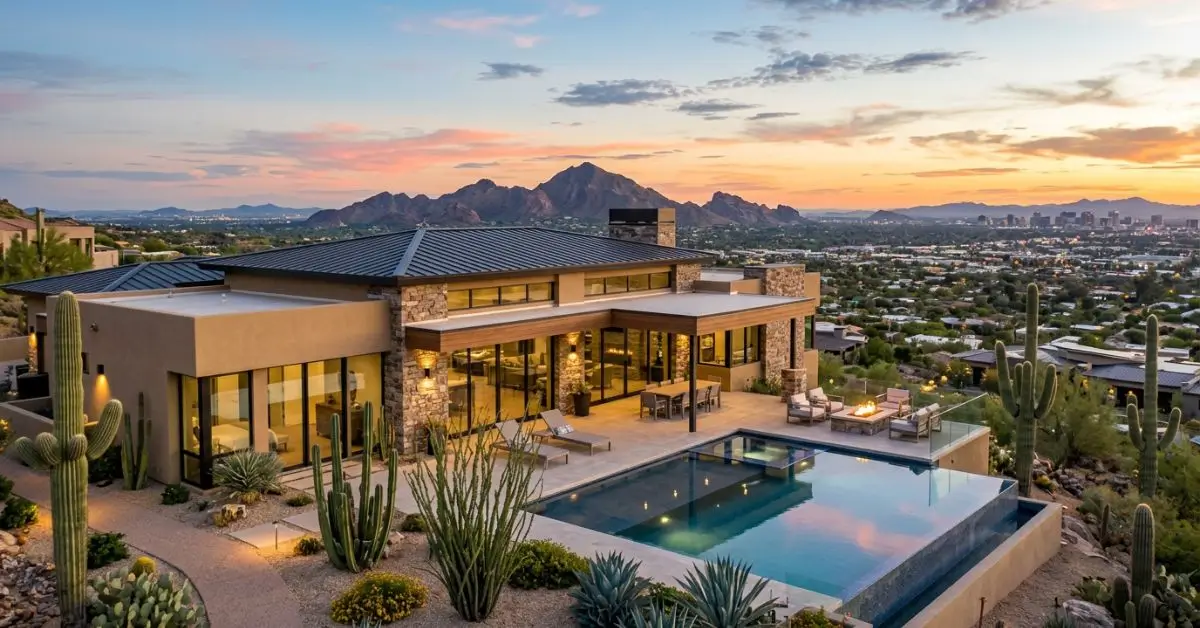
Home Remodeling Phoenix
Phoenix is one of the fastest-growing cities in the United States, and its housing market reflects that energy. Homeowners here are investing in renovations at a significant rate, whether to improve daily comfort, prepare for sale, increase property value, or simply update homes that were built during earlier development waves and now feel dated.
But remodeling in Phoenix is not the same as remodeling in Seattle, Chicago, or Miami. The desert climate, the lifestyle, the local building codes, and the contractor market all shape what makes sense here and what does not. Projects that add value in other parts of the country may be less relevant in the Phoenix market. Conversely, some upgrades that are optional elsewhere are practically essential here.
This guide covers the most valuable home remodeling projects for Phoenix homeowners, realistic cost expectations, what you need to know about permits and contractors in Arizona, and how to approach your project planning intelligently before spending a dollar.
Home remodeling in Phoenix refers to renovation and improvement projects undertaken on residential properties in the Phoenix metropolitan area, including Scottsdale, Tempe, Mesa, Chandler, and surrounding communities. It encompasses everything from kitchen and bathroom updates to outdoor living expansions, energy efficiency upgrades, and structural changes, all shaped by Phoenix’s desert climate, local building codes, and the specific needs of the Southwest housing market.
Quick Summary
Phoenix homeowners get the best return from projects that address comfort, energy efficiency, and outdoor living alongside traditional kitchen and bathroom updates. Costs reflect a competitive local contractor market. All significant renovations require permits through the City of Phoenix or relevant municipality. Hiring an ROC-licensed Arizona contractor is essential for any major project. Read on for the full breakdown.
Why Phoenix Remodeling Has Its Own Rules
Understanding what makes Phoenix different from other US remodeling markets helps you prioritize projects that actually make sense for this environment.
The Heat Changes Everything
Phoenix averages over 300 days of sunshine per year and summer temperatures routinely exceed 110 degrees Fahrenheit. Every remodeling decision exists in the context of this heat. Insulation, roofing, windows, HVAC systems, and shade structures are not optional upgrades here. They are foundational to livability and directly affect energy costs that, in Phoenix summers, can be substantial.
A kitchen remodel that looks identical in Phoenix and Minneapolis will have very different energy implications depending on whether the Phoenix version included upgraded insulation, low-e windows, and appropriate ventilation. The best Phoenix remodeling contractors factor climate into every project recommendation.
Outdoor Living Is Central to the Lifestyle
Phoenix’s winter and spring months offer some of the most pleasant outdoor weather in the country. Homeowners here invest heavily in outdoor living spaces because those spaces are genuinely usable for eight to nine months of the year. A covered patio with a ceiling fan, a pool, or a well-designed outdoor kitchen is not a luxury in Phoenix. It is a core part of residential life that directly affects how much value a home provides.
The Market Rewards Specific Upgrades
Phoenix real estate is competitive. Understanding which upgrades local buyers value most, based on what is common in the local market and what is most likely to attract buyers when you sell, helps you direct your remodeling budget toward projects that pay off.
The Most Valuable Remodeling Projects for Phoenix Homeowners
Kitchen Remodeling
Kitchen updates consistently deliver strong returns in Phoenix as in most US markets. The desert environment does influence some choices: durable, heat-resistant materials and good ventilation matter more here than in cooler climates.
A mid-range kitchen remodel in Phoenix typically runs between $25,000 and $60,000 depending on the scope, cabinet selection, and appliance choices. A full high-end kitchen renovation with custom cabinetry, professional appliances, and premium countertops can exceed $80,000 to $100,000.
Projects that recoup the most value are those that update dated layouts, replace old appliances with energy-efficient models, and improve the connection between the kitchen and adjacent living areas. Open-plan kitchens that flow into living or dining spaces are highly valued in the Phoenix market.
Bathroom Remodeling
Primary bathroom renovations are among the highest-value remodeling investments in Phoenix. Buyers in this market respond strongly to spa-like primary bathrooms with large walk-in showers, quality fixtures, and contemporary design.
A mid-range primary bathroom renovation in Phoenix runs $15,000 to $35,000. A full luxury renovation with heated floors, a freestanding tub, custom tile work, and premium fixtures can reach $50,000 to $70,000 or more.
Guest bathroom updates are lower cost and still add meaningful value. A functional refresh with new vanity, fixtures, and tile typically runs $8,000 to $15,000 in the Phoenix market.
Outdoor Living Upgrades
This is where Phoenix remodeling is genuinely distinctive. Covered patio additions, pool installations, outdoor kitchens, and landscape improvements deliver high quality-of-life returns and strong market value in the Phoenix area.
A covered patio addition ranges from $15,000 to $40,000 depending on size, roofing type, and finishing quality. A pool installation in Phoenix runs $40,000 to $80,000 for a standard in-ground pool, with custom designs running significantly higher. Outdoor kitchens with quality appliances, counters, and shade structures add $15,000 to $50,000 depending on scope.
Energy Efficiency Upgrades
Given Phoenix’s climate, energy efficiency improvements are among the highest-return investments a homeowner can make, both in terms of monthly cost savings and property value.
HVAC system replacement on an older unit delivers immediate comfort and energy savings. A new high-efficiency system for a typical Phoenix home runs $8,000 to $15,000. Attic insulation upgrades, which are critical in Phoenix’s heat, typically cost $2,000 to $5,000 and pay for themselves within a few years through reduced cooling costs. Low-e window replacement improves both comfort and energy performance and costs $500 to $1,000 per window installed.
Solar panel installation has become increasingly common in Phoenix given the abundant sunshine. A typical residential system runs $15,000 to $30,000 before federal tax credits, with a net metering arrangement potentially producing meaningful ongoing energy savings.
Flooring Updates
Older Phoenix homes frequently have carpet in living areas that performs poorly in the dust and heat of the desert environment. Updating to tile, hardwood, or luxury vinyl plank flooring is a common and cost-effective remodeling project that refreshes the entire feel of a home.
Tile is particularly practical in Phoenix because it stays cooler underfoot during hot months and is easy to clean in a dusty environment. A whole-home flooring update in a typical Phoenix home typically costs $8,000 to $20,000 depending on the material chosen and home size.
Understanding Permits and Regulations in Phoenix
Any significant home remodeling project in Phoenix requires permits from the City of Phoenix Development Services Department or the relevant municipal department in surrounding cities. This is not optional, and skipping permits creates serious problems when you sell.
What requires a permit in Phoenix:
- Any structural changes including load-bearing wall removal
- Electrical work beyond basic fixture replacement
- Plumbing changes including new fixture rough-ins
- HVAC installation and duct modifications
- Pool and spa construction
- Room additions and covered patio construction
- Roofing replacement in many cases
What typically does not require a permit:
- Painting and cosmetic updates
- Cabinet replacement where no plumbing or electrical is moved
- Flooring replacement
- Countertop replacement
When in doubt, check with the City of Phoenix Development Services at phoenix.gov/pdd or the relevant municipal department. A reliable contractor will handle permit applications as part of their service. A contractor who suggests skipping permits to save time or money is a red flag.
Hiring a Contractor in Phoenix: What You Must Know
Arizona has specific contractor licensing requirements that protect homeowners. The Arizona Registrar of Contractors (ROC) licenses and regulates contractors in the state. Before hiring any contractor for work over $1,000 or for structural, mechanical, or specialty trades work, verify their ROC license.
You can verify any contractor’s ROC license at azroc.gov. This search confirms whether the license is current, what work it covers, and whether any complaints have been filed against the contractor.
What to look for when hiring a Phoenix remodeling contractor:
Valid ROC license confirmed through azroc.gov. Current general liability insurance and workers’ compensation coverage. A physical business address, not just a phone number. Verifiable local references from recent comparable projects. A written contract that specifies scope, materials, timeline, and payment schedule. No request for more than 10 percent down before work begins, which is the Arizona legal limit for residential contractors.
Getting quotes
For any project over $5,000, get a minimum of three written quotes. Quotes should specify materials, labor, timeline, and what is and is not included. Extremely low quotes are a warning sign. They typically indicate cut corners on materials, unlicensed subcontractors, or a contractor who will request additional payments mid-project.
Typical Home Remodeling Costs in Phoenix
| Project Type | Estimated Cost Range | Notes |
|---|---|---|
| Kitchen remodel (mid-range) | $25,000 to $60,000 | Layout, cabinets, appliances, counters |
| Kitchen remodel (high-end) | $80,000 to $120,000+ | Custom cabinetry, professional appliances |
| Primary bathroom | $15,000 to $35,000 | Tile, fixtures, vanity, shower |
| Guest bathroom | $8,000 to $15,000 | Functional refresh |
| Covered patio addition | $15,000 to $40,000 | Depends on size and roofing type |
| Pool installation | $40,000 to $80,000 | Standard in-ground, varies widely |
| HVAC replacement | $8,000 to $15,000 | High-efficiency system |
| Solar panel system | $15,000 to $30,000 | Before federal tax credits |
| Whole-home flooring | $8,000 to $20,000 | Material dependent |
| Attic insulation | $2,000 to $5,000 | Critical for energy efficiency |
These ranges reflect the Phoenix metropolitan market and will vary based on specific project scope, material selections, and contractor rates at the time of your project.
Planning Your Phoenix Remodeling Project
Start with your goals
Are you remodeling to improve daily comfort? To prepare for sale? To address specific problems like an outdated kitchen or an inefficient HVAC system? Your goals determine which projects to prioritize and what budget allocation makes sense.
Consider the Phoenix market when planning for resale
If resale value is a factor, research what comparable homes in your neighborhood include before investing heavily in any specific upgrade. An $80,000 kitchen renovation in a neighborhood of $300,000 homes will not return full value at sale. The same renovation in a neighborhood of $600,000 homes may be exactly what buyers in that market expect.
Time your project around Phoenix seasons
Outdoor work is most practical in Phoenix from October through April when temperatures are comfortable. Summer outdoor construction is more challenging and more expensive. Interior renovation work can happen year-round but scheduling during the fall and winter may give you better contractor availability and competitive pricing.
Budget for contingencies
Any renovation budget should include a contingency of 10 to 15 percent for unexpected discoveries once work begins. Older Phoenix homes, particularly those built in the 1970s through 1990s, sometimes reveal outdated wiring, plumbing, or insulation that needs to be addressed before the intended renovation can be completed properly.
Conclusion
Home remodeling in Phoenix rewards thoughtful planning, local market awareness, and the discipline to hire properly licensed contractors and pull the necessary permits. The city’s unique climate creates both specific challenges and genuine opportunities that do not exist in most other US markets.
Outdoor living upgrades, energy efficiency improvements, and quality kitchen and bathroom renovations are the most consistently rewarding investments for Phoenix homeowners. Approach each project with clear goals, realistic budgets, and verified contractors, and the results will hold their value in one of the country’s most dynamic residential markets.
If this guide helped you begin planning your project, take a look at our related articles on how to choose a home remodeling contractor and the best kitchen renovation ideas for Southwest homes. Both give you the practical next steps for moving from planning to execution with confidence.
Frequently Asked Questions
What is the most popular home remodeling project in Phoenix?
Kitchen and bathroom remodels are the most popular. Outdoor living upgrades like covered patios, pools, and outdoor kitchens are also significantly more common here than in most US cities due to Phoenix’s favorable year-round climate.
How much does a typical renovation cost in Phoenix?
Kitchen remodels run $25,000 to $100,000+. Bathrooms cost $8,000 to $50,000. Pool installation runs $40,000 to $80,000. HVAC replacement typically costs $8,000 to $15,000. Always get at least three written quotes before committing.
Do I need a permit for remodeling in Phoenix?
Yes, for most significant work including structural changes, electrical, plumbing, HVAC, pools, and additions. Cosmetic updates like painting and flooring generally do not. Check with the City of Phoenix Development Services or ask your contractor.
How do I verify a contractor is licensed in Arizona?
Search azroc.gov to check any contractor’s license status, coverage, and complaint history. It is free, takes two minutes, and should be done before signing any contract.
What improvements add the most value in Phoenix?
Kitchen and primary bathroom renovations, outdoor living upgrades, and energy efficiency improvements like HVAC, insulation, and solar panels all perform well in the Phoenix market.