

Introduction
A slow drain is annoying. A completely blocked drain is a genuine problem. And when basic fixes like plunging or store-bought drain cleaner do not work, the next step usually involves something most homeowners have heard of but never actually dealt with: the drain cleanout.
Many people know the term but have no idea where to find one, what it does, or when to open it. That uncertainty leads to either ignoring a serious drainage problem for too long or calling a plumber for something that could have been handled without one.
This guide explains exactly what a drain cleanout is, where it is typically located in and around your home, how it is used to clear blockages, when you can handle it yourself, and when you absolutely need professional help.
A drain cleanout is a capped pipe fitting installed in a home’s plumbing system that provides direct access to the main sewer line or drain pipes. It allows plumbers and homeowners to clear blockages, run drain cleaning equipment, and inspect the pipe without digging up floors or walls. It is typically found at ground level inside the home, outside near the foundation, or in the yard.
Quick Summary
A drain cleanout is an access point built into your home’s plumbing that lets you reach the main drain line directly. It is used to clear serious blockages, run snake or hydrojetting equipment, and diagnose sewer problems. This guide covers where to find it, how to use it, and when to call a plumber.
Why the Drain Cleanout Exists and Why It Matters
Every home connected to a municipal sewer system or a septic tank has some version of a drain cleanout. It was installed specifically to make drain maintenance and emergency clearing possible without tearing into walls, floors, or landscaping.
Without a cleanout, clearing a serious blockage in the main sewer line would require significantly more invasive work. A plumber would need to access the pipes another way, which is more expensive, more disruptive, and takes considerably longer.
The cleanout is essentially a built-in service access point. Think of it the way you would think of a car’s oil drain plug. It exists so maintenance can be performed efficiently when needed.
Understanding where yours is and how it works puts you in a much stronger position when a drainage problem occurs. You will know whether the issue is isolated to one fixture or affecting the whole house, and you will be able to give a plumber immediate access rather than spending the first thirty minutes of a service call locating it together.
Where to Find Your Drain Cleanout
Location varies depending on when your home was built, your local building codes, and your plumbing layout. However, there are a few common places to check.
Inside the Home
In many US homes, especially those built in the mid-twentieth century and later, the main cleanout is located in the basement or crawl space. Look for a white or black plastic pipe with a threaded cap, or an older brass or cast-iron fitting with a square or round plug at the top. It is usually three to four inches in diameter.
It is typically found along the main drain line, which runs from the lowest point of the house toward the exterior wall facing the street or the septic system.
In homes without a basement, check the utility room, laundry area, or garage floor. In warmer climates where pipes run closer to the surface, it may be accessible through a floor-level cleanout inside a bathroom or utility space.
Outside the Home
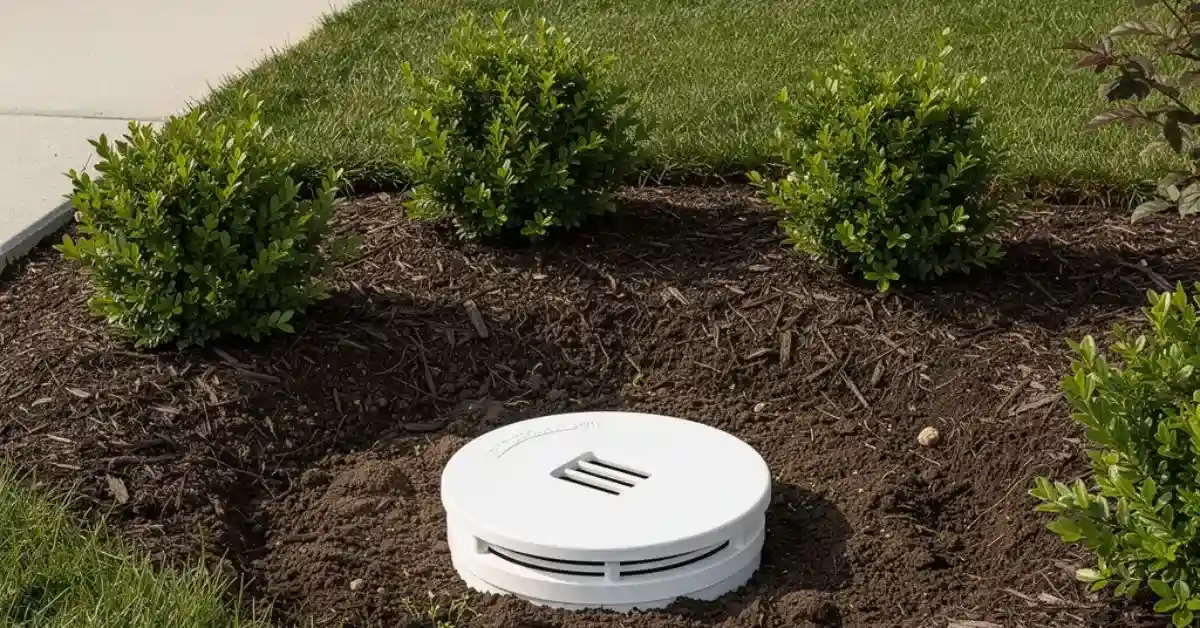
Outdoor cleanouts are very common in homes across the South and West where freezing is less of a concern. Look for a capped pipe stub sticking a few inches out of the ground, usually located near the foundation or along the path from the house to the street.
In some cases, it is covered by a plastic or metal cap that sits flush with the ground and requires a tool to open. These can get buried under grass or mulch over time, so probing along the likely route of your sewer line can help locate a hidden one.
Near the Street
The municipal sewer system has its own cleanout access points, usually located near the property line or in the public right-of-way. These belong to the city or municipality and are not the homeowner’s responsibility to access or maintain. However, knowing where your home’s cleanout is relative to the street helps you understand the full length of pipe that is your responsibility.
What a Drain Cleanout Cap Looks Like
Drain cleanout caps are typically round with a square raised fitting in the center designed for a wrench. Older homes often have brass plugs set into cast-iron fittings. Newer homes typically use PVC plastic caps that thread on and off.
The cap is there to seal the pipe when it is not in use. An open or missing cleanout cap is a problem because it allows sewer gases and potential backflow to enter the home. If you notice your cleanout cap is missing, it should be replaced promptly.
A standard replacement cap costs between $5 and $20 at any hardware store and takes just a few minutes to install.
How a Drain Cleanout Is Used
When a plumber responds to a serious drain blockage, the cleanout is usually the first place they go. Here is the general process.
The cap is removed using a pipe wrench. If the blockage has caused sewage to back up, there may be pressure behind the cap. A trained plumber manages this carefully to prevent sewage from spraying when the cap comes off.
Once open, the plumber feeds drain cleaning equipment directly into the pipe. This is usually either a drain snake, which is a flexible metal cable that physically breaks up or retrieves blockages, or a hydrojetter, which uses high-pressure water to blast debris off pipe walls and flush it toward the sewer.
For homeowners comfortable with basic plumbing tasks, a manual or electric drain snake can be rented from most hardware stores for $40 to $80 per day. This is a reasonable DIY option for straightforward blockages in homes with accessible cleanouts.
However, if you open the cleanout and see sewage backing up immediately, or if the blockage does not clear after snaking, stop and call a licensed plumber. These are signs of a more serious problem that may involve a collapsed pipe, tree root intrusion, or a blockage deep in the municipal connection.
Signs You Need to Access Your Drain Cleanout
Knowing when to go straight to the cleanout rather than trying fixture-level fixes first saves time and prevents further damage.
Multiple drains backing up at once is the clearest sign of a main line blockage rather than a localized clog. If your toilets are gurgling when you run the washing machine, or water is backing up into your tub when you flush, the problem is in the main sewer line and the cleanout is the right access point.
Sewage odor inside the home without an obvious source can indicate a partial main line blockage causing pressure and gases to push back through traps and fixtures.
Recurring clogs in the same drain that keep returning within days or weeks of clearing suggest a partial blockage further down the line that surface-level treatments are not reaching.
Slow drains throughout the house, not just in one fixture, point toward the main line rather than individual pipe problems.
A homeowner in Houston who notices their toilets flushing slowly and a gurgling sound from the bathtub drain after running the dishwasher is experiencing a classic main line blockage scenario. That situation calls for cleanout access, not another bottle of drain cleaner.
DIY vs. Professional Help: An Honest Assessment
| Situation | DIY Appropriate | Call a Plumber |
|---|---|---|
| Locating the cleanout | Yes | Not needed |
| Removing the cap to inspect | Yes, with caution | If sewage backs up immediately |
| Running a manual snake through cleanout | Yes, for simple blockages | If blockage does not clear |
| Sewage backing up into home | No | Yes, immediately |
| Tree root intrusion suspected | No | Yes |
| Collapsed or cracked pipe suspected | No | Yes |
| Hydrojetting required | No | Yes |
| Cleanout cap replacement | Yes | Not needed |
Being honest about this matters. A rental drain snake can handle a straightforward grease or debris blockage in a healthy pipe. It cannot handle a root mass, a crushed pipe, or a blockage located sixty feet down the line. Knowing the difference between a manageable DIY task and a situation requiring professional equipment protects both your home and your safety.
Maintaining Your Drain Cleanout
The cleanout itself requires very little maintenance. The main tasks are knowing where it is, keeping the cap intact and properly seated, and keeping the area around it accessible.
Outdoor cleanouts can become buried over time. Mark the location so you know where to find it quickly in an emergency. A small marker stake or a distinct rock nearby is enough.
Have your main sewer line professionally inspected every three to five years if your home is older than twenty years, has mature trees near the sewer line, or has a history of recurring blockages. A camera inspection through the cleanout takes about thirty minutes and gives a clear picture of pipe condition before problems become emergencies.
Professional drain cleaning through the cleanout as a preventive measure every few years costs between $150 and $400 depending on your location and the length of the line. That is significantly less expensive than emergency plumbing calls or pipe repair.
Conclusion
The drain cleanout is one of the most useful and most overlooked components of a home’s plumbing system. Knowing where yours is, understanding how it works, and recognizing the signs that it needs to be accessed can save you significant time, money, and stress when a drainage problem occurs.
For straightforward blockages in accessible pipes, a rented drain snake and a cautious approach is a perfectly reasonable DIY solution. For anything more serious, getting a licensed plumber to the cleanout quickly is always the right call.
The most important step is simply knowing where your cleanout is before you need it. Take five minutes to locate it and note the position. That small piece of knowledge is genuinely useful in an emergency.
Frequently Asked Questions
What is a drain cleanout?
A drain cleanout is a capped pipe that provides direct access to your home’s main sewer line for clearing clogs and inspections.
Where is the drain cleanout located?
It is usually found in the basement, crawl space, utility room, or outside near the home’s foundation.
Can I open a drain cleanout myself?
Yes, but open it slowly. If sewage backs up, stop immediately and contact a plumber.
How much does professional drain cleanout cost?
Drain cleaning typically costs $150–$400, while hydrojetting usually ranges from $300–$600, depending on the blockage.
What if my home doesn’t have a drain cleanout?
Older homes may not have one. Installing a new cleanout generally costs $500–$1,500 and simplifies future repairs.
How do I know if my main sewer line is blocked?
If multiple drains back up, toilets gurgle, or sewage returns through fixtures, the main sewer line is likely blocked.