

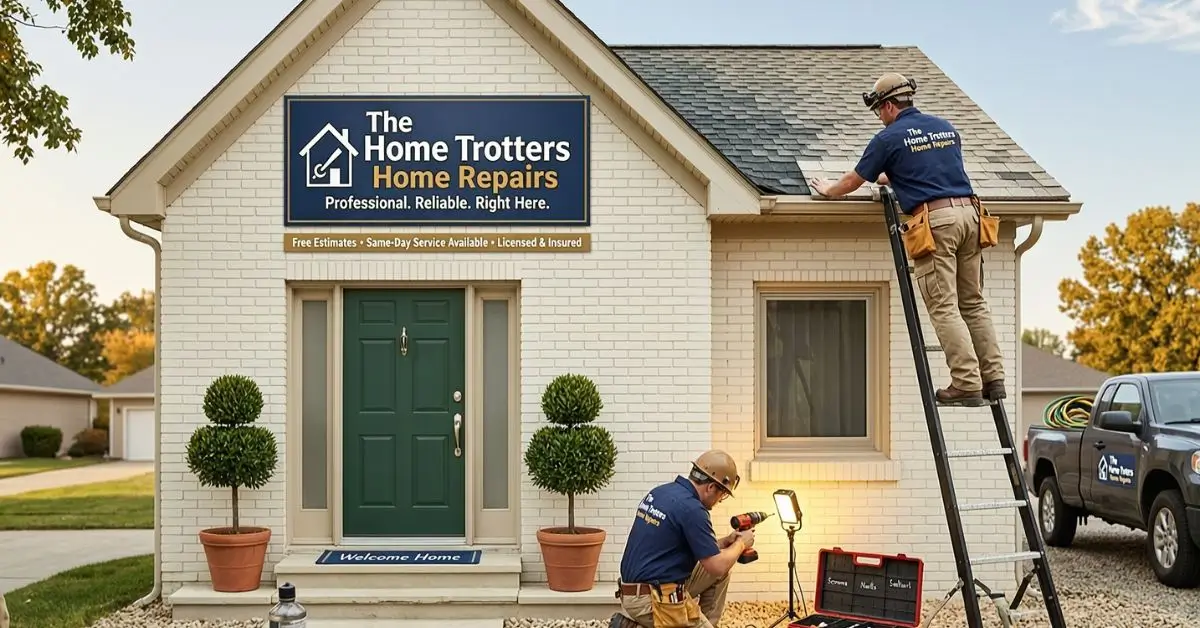
TheHomeTrotters Home Repairs: A Practical Guide for Every Homeowner
Owning a home is rewarding — until something breaks. A leaking faucet, a cracked wall, a door that will not close properly, a light switch that stopped working. These things happen to every homeowner, and they have a way of happening at the worst possible time.
The real problem is not the repair itself. It is not knowing where to start, what it will cost, or whether you can handle it yourself or need to call someone. That uncertainty leads to procrastination, and procrastination turns small problems into expensive ones.
That is exactly why thehometrotters homerepairs resource exists — to give homeowners clear, honest, practical guidance on handling common home repair situations without the guesswork.
This guide covers the most common home repairs, what causes them, how to approach them, and when it makes sense to bring in a professional.
TheHomeTrotters homerepairs is a practical home maintenance resource that helps homeowners identify, understand, and fix common household problems. It covers everything from minor DIY fixes to knowing when a repair needs a licensed professional — giving homeowners the knowledge they need to protect their homes and make confident decisions.
Quick Summary
Home repairs do not have to be overwhelming. Most common issues — leaky faucets, patching walls, fixing doors, unclogging drains — are manageable with the right guidance. This guide walks through the most frequent repairs, what causes them, and how to handle them smartly.
Why Staying on Top of Home Repairs Actually Saves Money
Most homeowners put off repairs because they seem minor or because they are not sure how serious the problem is. That is understandable — but it is also one of the most expensive habits a homeowner can have.
A small roof leak ignored for six months becomes water damage, mold, and structural repair. A dripping faucet left alone wastes thousands of gallons of water per year and increases your utility bill. A loose step that gets ignored is a fall waiting to happen.
Catching and fixing problems early is almost always cheaper than waiting. According to the National Association of Home Builders, homeowners who follow a regular maintenance and repair schedule spend significantly less on emergency repairs over time.
The goal of thehometrotters homerepairs approach is simple: help homeowners act early, act correctly, and avoid costly surprises.
The Most Common Home Repairs — And How to Handle Them
Leaky Faucets and Plumbing Drips
A dripping faucet is one of the most common home repair issues in the country. It is also one of the easiest to fix — and one of the most ignored.
Most faucet leaks come from a worn-out washer or O-ring inside the faucet. Replacing these parts costs a few dollars and takes about 30 minutes with basic tools. You turn off the water supply valve under the sink, disassemble the faucet handle, swap out the worn part, and reassemble.
If the leak is coming from the pipe itself rather than the fixture, that is a different situation. Pipe leaks under sinks or in walls need attention faster because water damage spreads quickly. Small compression fittings can sometimes fix minor pipe drips, but if you are unsure, calling a plumber is the right call.
When to DIY: Faucet drips, running toilets, slow drains.
When to call a pro: Pipe leaks inside walls, low water pressure throughout the house, water heater issues.
Patching Holes and Cracks in Walls
Walls take a lot of abuse over time. Door handles punch through drywall. Picture hooks leave holes. Settling causes hairline cracks. These are all fixable without professional help in most cases.
Small nail holes can be filled with spackling compound — just apply, let it dry, sand smooth, and paint. Medium holes up to about four inches can be patched with a drywall repair kit available at any hardware store for under $15.
Larger holes require cutting out the damaged section and installing a new drywall patch, which is a bit more involved but still a manageable DIY project if you are comfortable with basic tools.
Hairline cracks in plaster or drywall caused by normal settling are cosmetic and easy to fill. However, wide cracks — especially diagonal ones near window and door corners — can signal foundation movement and should be evaluated by a professional before you just patch over them.
Doors That Stick or Will Not Close Properly
A door that sticks or refuses to latch is usually caused by one of two things: the home settling slightly over time, or humidity causing the wood to expand.
In most cases, you can fix this by tightening the hinge screws. Over time, screws can work loose and cause the door to sag. If the screw holes are stripped, remove the screws, fill the holes with wooden toothpicks and wood glue, let it dry, and then reinsert the screws. This simple fix works surprisingly well.
If the door still sticks after tightening hinges, you may need to plane or sand the edge where it catches. Identify the exact spot where it drags — you will often see a rub mark — and sand or shave just enough material off that edge to give it clearance.
Seasonal sticking that goes away on its own is usually just humidity-related wood expansion and does not need repair — just patience.
Clogged Drains
Slow or completely blocked drains are one of the most frequent calls plumbers get — and also one of the repairs homeowners can most often handle themselves.
For bathroom sink and tub drains, the clog is almost always hair and soap buildup close to the surface. A drain snake or a simple plastic hair-removal tool (available for under $5) will pull it out in minutes. Avoid pouring chemical drain cleaners regularly — they can damage older pipes over time.
Kitchen sink clogs are usually grease buildup. Start with boiling water poured slowly down the drain. If that does not clear it, use a plunger specifically designed for sinks. Baking soda followed by white vinegar, then hot water, is also an effective and pipe-safe option.
If a drain backs up in multiple fixtures at the same time, that points to a main line blockage — which needs a professional with a drain auger or hydro-jetting equipment.
Toilet Running Constantly
A toilet that runs long after flushing is wasting water and money every single day. In the US, a running toilet can waste up to 200 gallons of water per day — adding real cost to your monthly utility bill.
The fix is almost always a worn flapper valve inside the tank. This rubber piece creates the seal that holds water in the tank between flushes. When it wears out, water continuously leaks into the bowl, triggering the fill valve to keep running.
Replacement flappers cost about $5 to $10 at any hardware store and take about ten minutes to install. Turn off the water supply, flush to empty the tank, unhook the old flapper, attach the new one, and turn the water back on. That is the entire repair.
Electrical Issues: Outlets and Switches
Minor electrical repairs — like replacing a worn outlet or a faulty light switch — are within reach for a careful DIYer. But electrical work requires respect for safety.
Always turn off the breaker for the circuit you are working on. Use a voltage tester to confirm the power is off before touching any wires. Replacing a standard outlet or switch is straightforward: disconnect the old one, connect the wires to the new one in the same positions, and secure it back in the box.
GFCI outlets — the ones with the reset buttons, typically found in bathrooms and kitchens — are also easy to replace if they stop working. They have clear connection labels on the back.
Where to draw the line: if you have flickering lights throughout the house, breakers that trip repeatedly, or wiring that looks old or damaged, call a licensed electrician. These are signs of issues that go beyond a simple swap.
DIY vs. Professional Help: A Quick Reference
| Repair Type | DIY Friendly | Call a Pro |
|---|---|---|
| Dripping faucet | Yes | Only if pipe is involved |
| Small wall patches | Yes | Large structural damage |
| Sticking door | Yes | Foundation-related movement |
| Clogged drain (single) | Yes | Multiple fixtures backing up |
| Running toilet | Yes | Tank or bowl cracks |
| Outlet or switch swap | Yes (carefully) | Panel issues, old wiring |
| Roof leaks | Temporary patch only | Full repair always |
| Water heater issues | No | Always call a pro |
Building a Simple Home Repair Habit
The homeowners who spend the least on repairs over time are not the ones who are most handy. They are the ones who pay attention regularly and catch things early.
A simple seasonal walkthrough of your home — checking for leaks, testing outlets, looking at caulk around tubs and windows, flushing water heaters, cleaning gutters — takes a few hours and costs almost nothing. It consistently prevents the kind of surprise repairs that cost hundreds or thousands of dollars.
Thehometrotters homerepairs philosophy is grounded in this idea: maintenance is cheaper than repair, and repair is cheaper than replacement. The habit of paying attention is the most valuable home improvement skill you can develop.
Frequently Asked Questions
What are the most common home repairs?
Common repairs include fixing leaky faucets, patching drywall, unclogging drains, replacing toilet flappers, and adjusting sticking doors.
When should I hire a professional instead of DIY?
Hire a professional for structural, electrical, gas, HVAC, or major plumbing work that requires specialized skills or permits.
How much should I budget for home repairs?
A good rule is to save about 1% of your home’s value each year for maintenance and unexpected repairs.
What home repairs should never be ignored?
Roof leaks, foundation cracks, electrical issues, gas leaks, and mold should be fixed immediately to avoid costly damage.
Is it better to repair or replace a fixture?
If repair costs exceed 50% of the replacement cost or the fixture keeps failing, replacement is usually the better choice.