

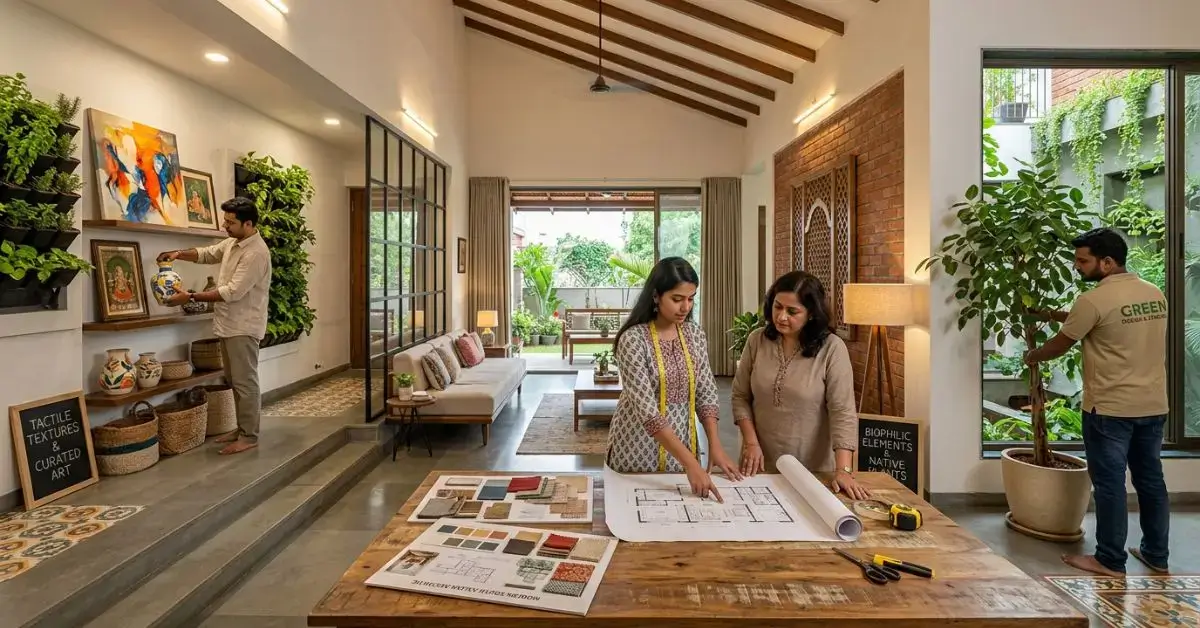
Home Decor Ideas
Most people don’t struggle to find home decor ideas — they struggle to find ones that are actually achievable. You save a photo online, love the look, and then realize the room in the picture is three times the size of yours, professionally styled, and costs more than your monthly rent to recreate.
That gap between inspiration and reality is frustrating. And it stops a lot of people from doing anything at all.
This guide is different. Every idea here is practical, clearly explained, and adaptable to different budgets, styles, and room sizes. Whether you’re starting from scratch, refreshing a tired space, or just trying to make one room feel more like home — there’s something here you can actually use.
What Are Home Decor Ideas?
Home decor ideas are practical suggestions for improving the look, feel, and function of a living space — covering everything from furniture arrangement and color choices to lighting, textiles, and accessories. Good home decor ideas don’t require a large budget or professional training. They work by understanding how light, color, texture, and proportion affect the way a room feels — and making deliberate choices based on those principles.
Quick Summary
- You don’t need a big budget to make a home feel well-decorated
- Start with what you already have before buying anything new
- Lighting, paint, and textiles make the biggest visual impact for the least cost
- Every room has a few high-leverage changes that transform how it feels
- Style is personal — the best decor reflects how you actually live
Start Here: The Biggest Mistakes People Make When Decorating
Before getting into specific ideas, it helps to understand what goes wrong most often — because avoiding these mistakes is half the battle.
Buying furniture before planning the layout. Most decorating regrets come from purchasing something without first mapping out how it fits in the room. Measure everything — the room, the furniture, the doorways — before spending money.
Choosing paint color last. Paint should be one of the first decisions, not an afterthought. Everything else — furniture, rugs, curtains — gets selected to work with the wall color, not the other way around.
Ignoring scale. A tiny rug under a large sofa. An oversized light fixture in a small room. Scale mismatches are one of the most common reasons a room looks “off” even when individual pieces are nice.
Decorating all at once. The best-looking homes are built up over time — not furnished in a single weekend shopping trip. Give yourself space to figure out what you actually need and want.
Living Room Decor Ideas
The living room is usually the first space people want to tackle — and the one where the right changes make the most visible difference.
Anchor the Room With a Rug
A rug defines the seating area and pulls the room together. The most common mistake is choosing one that’s too small. In most living rooms, the rug should be large enough for the front legs of all major furniture pieces to sit on it — at minimum.
A homeowner in Austin, Texas replaced a 5×7 rug with an 8×10 in the same neutral tone. The room immediately looked larger, more intentional, and significantly more finished — with no other changes.
Layer Your Lighting
Most living rooms rely on a single overhead light — which creates flat, unflattering illumination. Layered lighting means combining three types: ambient (overhead), task (reading lamps), and accent (floor lamps, table lamps, or candles).
Adding two table lamps and a floor lamp to a room that previously had only a ceiling fixture transforms the evening atmosphere entirely. Warm bulbs (2700–3000K) make a room feel cozy and lived-in.
Use a Gallery Wall to Add Personality
A gallery wall doesn’t require expensive art. A mix of personal photos, simple prints, mirrors, and even objects mounted on the wall creates visual interest and makes a space feel personal.
The key is to lay it out on the floor first — arrange the pieces until you like the composition before putting a single nail in the wall.
Add Texture, Not Just Color
Texture is what makes a room feel warm and layered without adding visual clutter. A linen sofa, a chunky knit throw, a jute rug, and a wooden coffee table can all share a neutral color palette while creating a room that feels genuinely interesting to be in.
Bedroom Decor Ideas
The bedroom should feel restful. That one principle guides most good bedroom decorating decisions.
Invest in Quality Bedding First
The bed is the centerpiece of the room — and the quality of the bedding has more visual impact than almost anything else. High-thread-count cotton or linen in a calm, neutral tone immediately elevates the feel of the room.
Layer the bed with a flat sheet, a duvet, and two or three decorative pillows. Keep it simple. Overcrowding the bed with too many pillows looks cluttered and feels impractical.
Use a Headboard to Define the Bed Wall
A room without a headboard often feels unfinished. Even a simple upholstered headboard in a neutral fabric creates a clear visual anchor for the room and makes the bed feel intentional.
If buying a headboard isn’t in the budget, a large piece of art or a collection of framed prints hung above the bed serves the same purpose.
Keep Nightstands Balanced
Symmetry in a bedroom creates calm. Matching or visually balanced nightstands on either side of the bed — even if they’re different pieces — make the room feel more settled and considered.
Each nightstand should have a lamp, something functional (a book, a small tray), and nothing else. Cluttered nightstands undermine the restful feeling the room is trying to create.
Control Light With Proper Curtains
Thin curtains that let in too much morning light disrupt sleep. Blackout curtains or blackout lining behind decorative curtains solve this practically and look just as good.
Hang curtain rods close to the ceiling — not just above the window frame. Floor-length curtains hung high make the ceiling feel taller and the window feel larger than it actually is.
Kitchen Decor Ideas
Kitchens are functional spaces, but that doesn’t mean they can’t feel warm and well-designed.
Update Hardware Before Anything Else
Replacing cabinet handles and drawer pulls is one of the highest-impact, lowest-cost changes in any kitchen. Swapping dated brass pulls for matte black or brushed nickel instantly modernizes the look of the space.
A full kitchen hardware update typically costs $50 to $150 in parts and takes an afternoon. The visual difference is significant.
Add Open Shelving for Display and Storage
Open shelving in a kitchen creates an opportunity to display items that are both functional and visually interesting — ceramics, glassware, cookbooks, and plants.
The key is restraint. Open shelves should hold items you actually use and genuinely like looking at. Overcrowded shelves create visual noise rather than warmth.
Bring in Plants
A kitchen with a few plants immediately feels more alive. Herbs on the windowsill are both practical and decorative. A trailing pothos on a high shelf adds greenery without taking up counter space.
Plants also improve air quality — a practical bonus that most purely decorative elements don’t offer.
Bathroom Decor Ideas
Bathrooms are often overlooked in home decorating — but small changes here make a disproportionate difference.
Upgrade Towels and Accessories
Fresh, coordinated towels in a single color family immediately make a bathroom look more put-together. Fold or roll them neatly and display them on a towel rack or in a basket.
Matching soap dispensers, a simple tray, and a candle cost very little but transform a functional bathroom into a space that feels considered.
Add a Mirror That Makes a Statement
Most bathrooms have a basic builder-grade mirror. Replacing it with a framed mirror — round, arched, or rectangular with an interesting frame — costs $40 to $150 and dramatically changes the character of the room.
Use Wallpaper on One Wall
Wallpaper in a small bathroom is low-commitment and high-impact. A bold pattern on one wall behind the toilet or the vanity adds personality without overwhelming the space.
Peel-and-stick wallpaper makes this reversible — ideal for renters or anyone who wants to try a pattern without a permanent commitment.
Budget-Friendly Decorating: Where to Spend and Where to Save
Not every decorating decision deserves the same budget. Here’s a practical guide:
| Item | Worth Spending On | Where to Save |
|---|---|---|
| Sofa | Yes — daily use, hard to replace | Save on accent chairs |
| Rug | Yes — anchors the whole room | Save on throw pillows |
| Lighting | Yes — transforms atmosphere | Save on decorative objects |
| Bedding | Yes — visible and used daily | Save on decorative cushions |
| Art | Save — thrift stores, prints work well | Spend on one statement piece |
| Paint | Always worth it — huge impact, low cost | N/A |
The general principle: spend on things you use every day and that define the room. Save on things that are purely decorative and easy to swap out.
How to Develop Your Own Decorating Style
One of the most common questions people have about home decor ideas is: how do I figure out what style I actually like?
Step 1 — Save without filtering. For two to three weeks, save every image of a home or room that genuinely appeals to you — without overthinking why. Don’t curate. Just collect.
Step 2 — Look for patterns. After a few weeks, look at what you’ve saved. You’ll notice common elements — certain colors, materials, levels of clutter, amounts of natural light. That’s your real style.
Step 3 — Name it loosely. You don’t need to commit to a label. “Warm and minimal with some color” is a perfectly workable design direction. Use it to filter future decisions.
Step 4 — Start with one room. Trying to decorate an entire home at once leads to either paralysis or a lot of expensive mistakes. Start with the room you spend the most time in and build from there.
Conclusion
Good home decor ideas don’t have to be expensive, complicated, or require a designer. The most effective changes usually come down to a few well-made decisions — the right rug size, proper lighting, a consistent color palette, and furniture that actually fits the space.
Start small, build gradually, and focus on how the room feels to live in — not just how it looks in a photo. A home that works for the people in it is always better than one that looks perfect but doesn’t feel right.
Take one idea from this guide and start there. The rest follows naturally.
Frequently Asked Questions
What are the best home decor ideas for a small space?
Use properly scaled furniture, mirrors to add depth, and light wall colors. Hang curtains high and wide. Multifunctional furniture saves space without sacrificing style.
How do I decorate my home on a tight budget?
Start with paint — biggest impact, lowest cost. Update cushions, throws, and towels. Shop thrift stores. Rearranging what you already own often makes the biggest difference of all.
What home decor style is most popular in 2026?
Warm minimalism — clean spaces with natural materials and earthy tones. Maximalism is also growing. The biggest trend overall is authenticity — homes that feel lived in, not staged.
Where should I start when decorating a new home?
Start with the room you use most. Choose a color palette, paint first, then furniture, then accessories. Don’t rush — rooms built up gradually always look better.
How do I make my home look more expensive without spending much?
Declutter, layer your lighting, and upgrade small hardware details. Hanging curtains high and wide instantly adds a more polished, expensive feel.
What colors are best for home decor in 2026?
Warm neutrals as a base — creamy whites, taupes, greiges. Earthy accents like terracotta and olive. Deep tones like forest green and navy for feature walls.