

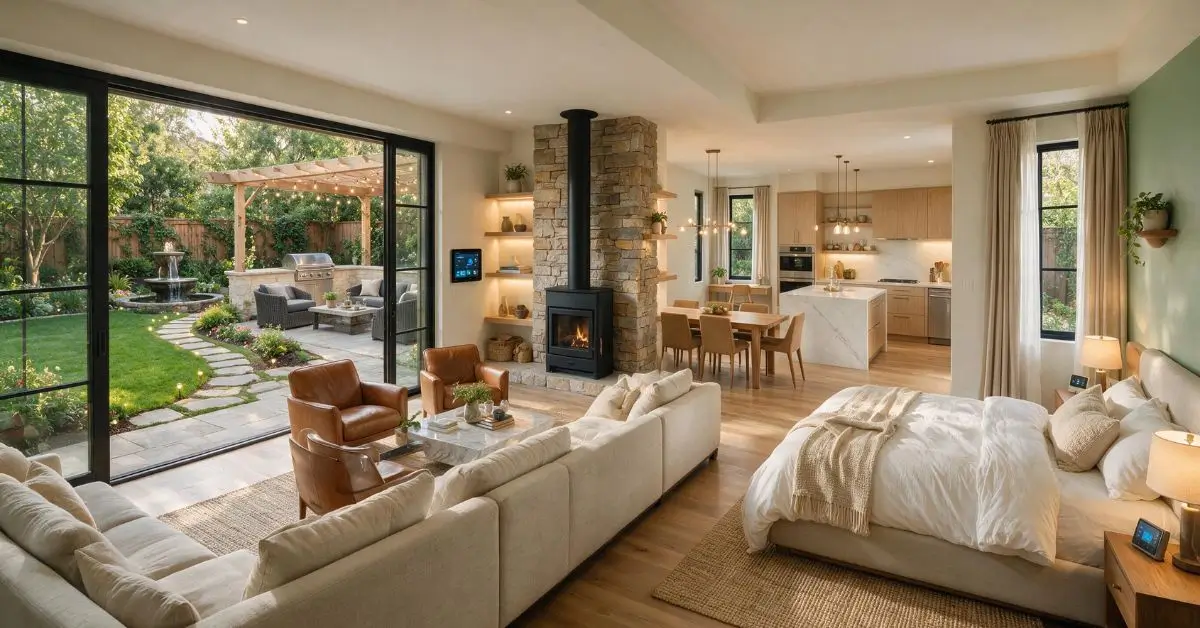
Home Upgrade Decoradtech: The Smart Way to Refresh Your Living Space
Most people feel it before they can name it. That slow, creeping feeling that your home no longer reflects who you are. Maybe the furniture feels dated. Maybe the lighting is harsh. Maybe the layout just does not work the way it used to.
The problem is not your home itself. It is that you have not yet found a clear, structured way to approach upgrading it. That is exactly where home upgrade decoradtech comes in.
This guide will walk you through what home upgrade decoradtech actually means, why it matters, and how you can apply it room by room to create a space that feels current, comfortable, and completely yours.
What Is Home Upgrade Decoradtech?
Home upgrade decoradtech refers to the practice of combining smart technology, modern design principles, and intentional interior upgrades to improve both the look and function of a living space. It bridges the gap between pure aesthetics and practical home improvement, helping homeowners create spaces that are beautiful, efficient, and future-ready.
Quick Summary
Home upgrade decoradtech is about improving your home through a mix of design thinking and smart, purposeful upgrades. This guide covers what it means, how to get started, which rooms to focus on first, and how to do it without overspending.
Why More Homeowners Are Taking This Approach
Interior design used to mean picking a color palette and buying matching furniture. That was enough. But homes today serve more purposes than ever before. People work from home, stream entertainment in multiple rooms, cook more, and expect their space to support all of it without looking cluttered.
The home decor space has shifted. It is no longer just about style. It is about smart choices that add real value, both to daily comfort and to the property itself.
In the United States, home improvement spending has grown steadily over the past several years. According to the Harvard Joint Center for Housing Studies, Americans spend over $400 billion annually on home improvements and repairs. A growing portion of that goes toward design-led upgrades, not just fixing what is broken, but actively making things better.
That is the spirit behind home upgrade decoradtech.
Where to Start: Assess Before You Spend
The biggest mistake most people make is buying things before thinking. They see something on sale, grab it, and then realize it does not fit the room or the vibe they were going for.
Start by walking through your home with honest eyes. Ask yourself three questions in each room:
- What bothers me most about this space?
- What is working that I want to keep?
- What would I change if budget were not a concern?
That last question is not about dreaming big. It helps you identify your priorities. Once you know what you actually want, you can work toward it in stages.
Write it down. Even a simple list on your phone works. Having a clear picture of what each room needs stops you from making impulse decisions that you will regret.
The Core Areas of Home Upgrade Decoradtech
Lighting: The Most Underestimated Upgrade
If you change nothing else in your home, change the lighting. It affects how every room looks and feels more than almost any other element.
Harsh overhead lighting flattens a room and makes it feel like an office. Layered lighting, using a combination of ambient, task, and accent sources, creates depth and warmth.
For example, a family in Austin, Texas replaced their single overhead fixture in the living room with three separate light sources: a floor lamp, two wall sconces, and dimmable recessed lights. The cost was around $400. The visual difference was dramatic.
Smart bulbs and smart switches are worth considering here too. Products like Philips Hue or simple Wi-Fi-enabled dimmers let you control tone and brightness without rewiring anything. This is a straightforward area where technology and design work together naturally.
Wall Treatments: More Than Paint
Paint is still one of the most cost-effective changes you can make. A fresh, well-chosen color can transform a tired space in a weekend.
But wall treatments have expanded far beyond paint. Peel-and-stick wallpaper has improved significantly in quality and now comes in patterns that genuinely look premium. Textured panels, shiplap, and even simple wainscoting can add architectural interest to an otherwise plain room.
The key is restraint. Choose one wall as a focal point rather than covering everything. A single bold wall behind a bed or sofa creates visual impact without overwhelming the space.
Related terms worth knowing here: accent walls, wall paneling, textured finishes, and feature walls. These are all tools within the broader home upgrade decoradtech toolkit.
Furniture Layout and Function
A well-chosen piece of furniture in the wrong place helps no one. Layout matters as much as the furniture itself.
The classic mistake is pushing all furniture against the walls. It feels safe but actually makes rooms feel smaller and less connected. Pulling a sofa even 12 inches away from the wall and anchoring it with a rug immediately makes a room feel more intentional and designed.
Think about function as you plan. A bedroom needs rest. A home office needs focus. A living room needs flexibility for different activities. Let those needs guide where things go before you decide what to buy.
Multifunctional furniture is especially valuable in smaller homes or apartments. Ottomans with storage, beds with drawers underneath, and dining tables that extend when needed are all examples of design meeting practicality, which is central to the home upgrade decoradtech philosophy.
Smart Home Integration
Smart home technology does not have to mean a full renovation or a complicated setup. Even small additions can meaningfully improve daily life.
A smart thermostat like the Google Nest or Ecobee can learn your schedule, adjust automatically, and cut energy costs. A video doorbell adds security and convenience. Smart plugs let you control lamps and appliances remotely without replacing them.
The important thing is to integrate these elements so they feel like part of the home, not like gadgets stuck on top of it. A smart speaker on a cluttered shelf is just clutter. The same device tucked neatly into a styled vignette becomes a natural part of the room.
Kitchen and Bathroom Updates
These two rooms have the strongest impact on both daily living and home resale value. Full renovations are expensive, but targeted upgrades are very achievable.
In the kitchen, swapping cabinet hardware is a quick win. New handles and knobs cost very little and can dramatically change the feel of the entire room. Updating a faucet, adding under-cabinet lighting, or replacing an outdated backsplash are all mid-range upgrades that look high-end.
In the bathroom, focus on mirrors, lighting, and accessories. A large, well-lit mirror makes a small bathroom feel bigger. Replacing a builder-grade vanity light with something intentional changes the whole atmosphere.
A Simple Framework for Prioritizing Upgrades
Here is a practical table to help you prioritize what to tackle first based on impact and budget:
| Upgrade Area | Estimated Cost (USD) | Visual Impact | Time to Complete |
|---|---|---|---|
| Lighting changes | $100–$500 | Very High | 1–2 days |
| Fresh paint | $50–$300 | High | Weekend |
| Cabinet hardware | $30–$150 | Medium-High | 2–3 hours |
| Smart thermostat | $130–$250 | Medium | 1–2 hours |
| Furniture rearranging | $0 | Medium | Few hours |
| Wallpaper accent wall | $80–$300 | High | 1 day |
This helps take the guesswork out of where to start when you are working with a limited budget or limited time.
Mistakes to Avoid
Following trends too closely. Trends move fast. A maximalist trend you invest heavily in today may feel dated in two years. Choose a timeless base and add trend-forward accents through smaller, replaceable pieces like cushions, throws, and artwork.
Ignoring scale. A tiny rug in a large room looks like a mistake. A massive sofa in a small apartment overwhelms everything. Always measure before you buy.
Skipping the planning phase. Start with a clear idea of what you want the room to feel like, not just look like. Comfortable? Energizing? Calm? That feeling should guide every decision.
Overcomplicating smart home setups. Start with one or two smart devices that genuinely solve a problem. Complexity rarely adds comfort.
Conclusion
Home upgrade decoradtech is not about spending a lot of money or following every new trend. It is about making deliberate, informed choices that improve how your home looks, feels, and functions every day.
Start small. Focus on what matters most to you. Build from there.
If you found this guide useful, explore more practical home decor ideas and room-by-room upgrade strategies on this site. There is plenty more to help you create a home you are genuinely proud of.
Frequently Asked Questions
What does Home Upgrade Decoradtech mean?
It combines interior design with practical technology to make homes more stylish, functional, and comfortable.
How much should I budget?
Basic upgrades can start around $200–$500. Larger projects with smart-home features may cost more.
Can renters use Decoradtech ideas?
Yes. Try removable wallpaper, smart plugs, lighting, and furniture rearrangement that can move with you.
Where should I start?
Focus on one room. Identify its three biggest problems and solve them one at a time.
Is smart home technology worth it?
Yes, when it solves a real need. Smart lighting and thermostats can improve comfort, convenience, and energy efficiency.
[…] popular home decor ideas thehometrotters encourages you to bring that worldly, relaxed feeling into your daily life. Travel-inspired design […]