

Water Pressure Problems
There are few things more frustrating than turning on your shower and getting a weak trickle of water when you expected a strong, steady flow. Or the opposite pressure so strong that it rattles your pipes and sends water splashing everywhere.
Water pressure problems are one of the most common plumbing complaints in American homes. They affect daily comfort, increase water bills, and can quietly cause serious damage to pipes, fixtures, and appliances if left unaddressed.
The good news is that most pressure issues have clear causes and practical solutions. Some you can handle yourself in under an hour. Others need a licensed plumber. This guide will help you figure out which situation you are in.
Water pressure problems occur when the force of water flowing through your home’s plumbing system is either too low to function properly or too high and potentially damaging. Normal residential water pressure in the US ranges from 40 to 80 psi. Anything consistently below 40 or above 80 psi signals a problem that needs attention.
Quick Summary
Water pressure problems are caused by clogged pipes, faulty regulators, municipal supply issues, leaks, or corroded plumbing. Low pressure makes daily tasks difficult. High pressure damages pipes and fixtures. This guide covers both, with clear fixes and honest advice on when to call a professional.
Understanding Normal Water Pressure
Before diagnosing a problem, it helps to know what normal looks like.
Residential water pressure in the United States is typically set between 40 and 80 psi (pounds per square inch). Most plumbers consider 60 psi to be the ideal middle ground. At this level, showers feel strong, faucets flow well, and appliances like dishwashers and washing machines work as designed.
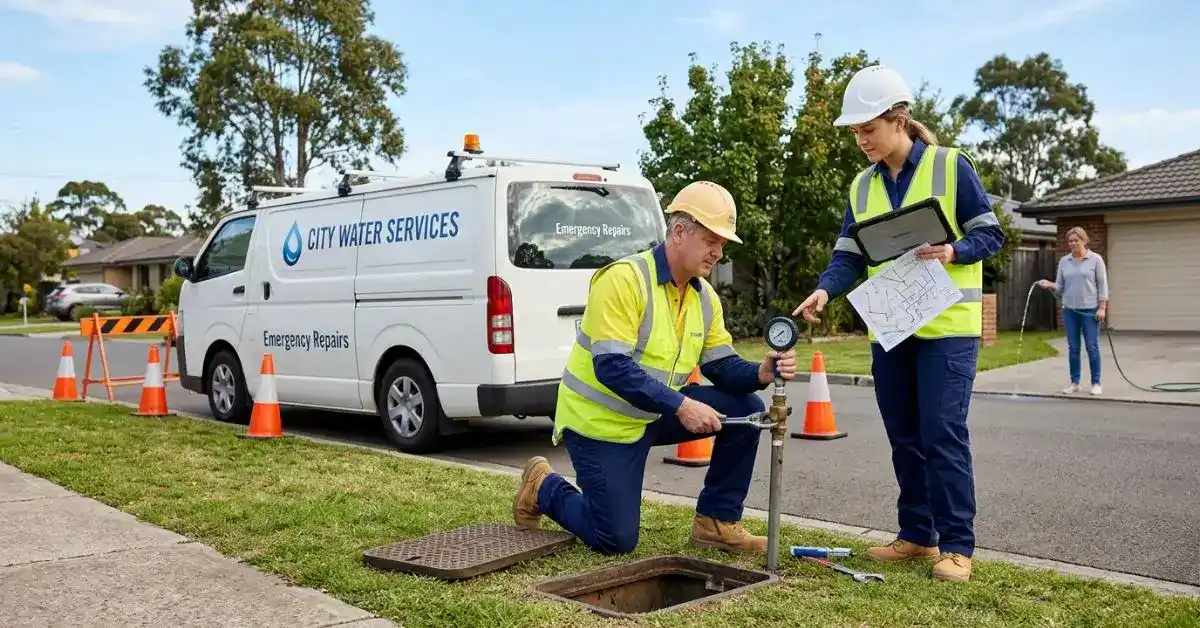
You can check your home’s water pressure with a simple pressure gauge, available at most hardware stores for around $10 to $15. Attach it to an outdoor hose bib or washing machine connection, turn the water on fully, and read the result.
If the reading is consistently below 40 psi or above 80 psi, you have a pressure issue worth investigating.
Low Water Pressure: Most Common Causes
Low pressure is the more common complaint. Here are the main reasons it happens.
Clogged or Corroded Pipes
Over time, mineral deposits from hard water build up inside pipes. This buildup, called scale, narrows the inside of the pipe and restricts water flow. Older homes with galvanized steel pipes are especially vulnerable because the metal itself corrodes over time and the rust adds to the blockage.
If your home was built before 1970 and has not had its pipes updated, corrosion is one of the first things to suspect. The fix usually involves replacing sections of pipe, which is a job for a licensed plumber.
Clogged Aerators and Showerheads
If low pressure is limited to one faucet or one shower, the problem is likely the fixture itself rather than the main supply.
Faucets have small screens called aerators at the tip. These catch mineral deposits and debris over time. Unscrew the aerator, rinse it under water, and soak it in white vinegar for 30 minutes to dissolve buildup. Screw it back on and test the flow. This fix costs nothing and takes about five minutes.
The same applies to showerheads. Remove the head, soak it in vinegar overnight, and reinstall. In many cases, this alone restores strong flow without any new parts.
Partially Closed Shutoff Valves
Every home has a main shutoff valve, usually near the water meter or where the main supply line enters the house. If this valve was recently used during a repair and was not fully reopened, it restricts flow throughout the entire home.
Check the valve and make sure it is turned completely open. This is a quick, free fix that many homeowners overlook after DIY plumbing work.
Pressure Reducing Valve Failure
Many homes have a pressure reducing valve (PRV) installed where the main line enters the house. This device regulates incoming water pressure to a safe level. When it fails or wears out, pressure can drop significantly throughout the home.
A PRV replacement typically costs between $200 and $500 including labor. It is not a difficult repair for a plumber and usually solves whole-home low pressure quickly.
Municipal Supply Issues
Sometimes the problem is not inside your home at all. Your water utility may be experiencing supply issues, doing maintenance, or serving an area where demand has increased.
Call your local water utility and ask if there are known pressure issues in your area. In many US cities, you can also check the utility’s website for service alerts. If the issue is on their end, there is nothing to fix inside your home — you just have to wait.
Hidden Leaks
A leak somewhere in your plumbing system can quietly reduce pressure throughout the house. Water that should be reaching your fixtures is escaping before it gets there.
Signs of a hidden leak include unexplained increases in your water bill, damp spots on walls or ceilings, and the sound of running water when all fixtures are off. If you suspect a leak, turn off all water in the house and check whether your water meter is still moving. If it is, water is escaping somewhere.
This needs a plumber. Hidden leaks inside walls or under slabs require professional detection and repair.
High Water Pressure: Why It Is a Serious Problem
High pressure gets less attention than low pressure, but it can cause more damage.
When pressure exceeds 80 psi consistently, it puts stress on every fixture, valve, and joint in your plumbing system. Over time this leads to:
- Burst pipes
- Leaking faucets and running toilets
- Shortened lifespan of appliances like dishwashers and water heaters
- Banging pipes, known as water hammer
Many homeowners with high pressure notice that faucets drip constantly, toilets run without stopping, or they hear a loud bang when water is turned off quickly. These are all signs of excessive pressure.
How to Fix High Water Pressure
The solution is almost always a pressure reducing valve. If your home does not have one, a plumber can install it where the main line enters the house. If you have one that is set too high or has failed, it can be adjusted or replaced.
This is not a DIY job. PRV installation and adjustment involves the main water supply and requires the right tools and knowledge. A licensed plumber can handle it in a few hours for a reasonable cost.
Room-by-Room Troubleshooting
Sometimes the pressure issue is specific to one area of the home. Here is a quick reference:
| Location | Likely Cause | First Step to Check |
|---|---|---|
| One faucet only | Clogged aerator | Remove and clean the aerator |
| One shower only | Clogged showerhead | Soak in vinegar overnight |
| Whole house | PRV failure or main valve | Check main shutoff valve first |
| Hot water only | Failing water heater | Check water heater inlet valve |
| Upstairs only | Elevation pressure drop | Check PRV setting |
| After recent repair | Valve not fully reopened | Inspect all shutoff valves |
This table helps you narrow down the cause before spending time or money on a fix that may not be needed.
DIY Fixes vs. When to Call a Plumber
Not every water pressure issue requires a professional. Here is an honest breakdown.
You can likely fix it yourself if:
- The problem is limited to one faucet or showerhead
- Cleaning the aerator or showerhead restores flow
- A shutoff valve was recently used and just needs to be fully opened
- The issue appeared after a DIY repair you completed
These are simple, low-risk fixes that most homeowners can handle with basic tools and common household items like white vinegar.
Call a licensed plumber if:
- Pressure is low throughout the entire house
- You suspect a hidden leak
- Your pipes are old galvanized steel
- You need a PRV installed or replaced
- Pressure is consistently above 80 psi
- You hear banging in the pipes regularly
In the US, a licensed plumber typically charges between $75 and $150 per hour depending on your location. A PRV installation including parts and labor usually runs between $200 and $500. Getting a proper diagnosis first can prevent you from paying for a fix that does not solve the actual problem.
Preventive Steps to Avoid Future Pressure Issues
Once you have resolved the immediate problem, a few simple habits help prevent it from coming back.
Test your pressure once a year. A $10 gauge and five minutes is all it takes. Catching a drift in pressure early prevents bigger problems later.
Flush your water heater annually. Sediment builds up at the bottom of water heaters over time. Flushing it removes that buildup and keeps hot water flowing properly.
Clean aerators and showerheads every six months. This is especially important in areas with hard water. Regular cleaning keeps flow strong and extends the life of your fixtures.
Know where your main shutoff valve is. In an emergency, being able to shut off the water fast can prevent serious water damage. Every adult in the household should know where it is and how to use it.
Schedule a plumbing inspection every few years. A professional can spot corroding pipes, aging valves, and early signs of leaks before they become expensive problems.
A Realistic Example
Consider a homeowner in Phoenix, Arizona, where hard water is extremely common. They notice that their kitchen faucet has been losing pressure over the past few months while the rest of the house feels fine.
The likely culprit is mineral scale inside the aerator. After removing and soaking it in vinegar, they reinstall it and the flow returns to normal. Total time: 10 minutes. Total cost: $0.
If the problem had been whole-house low pressure, the next step would be checking the main shutoff valve and then calling a plumber to test the PRV. That is how logical troubleshooting saves time and money.
Conclusion
Water pressure problems range from a simple five-minute fix to a sign of a more serious plumbing issue. The key is knowing how to read the signs, start with the simplest possible cause, and move up from there.
Most homeowners can handle basic fixes like cleaning aerators and showerheads on their own. But for whole-house issues, old pipes, hidden leaks, or high pressure concerns, a licensed plumber is the right call.
If this guide helped you understand what is happening in your home, explore our related articles on common plumbing repairs and how to maintain your home’s pipes to stay ahead of future issues.