

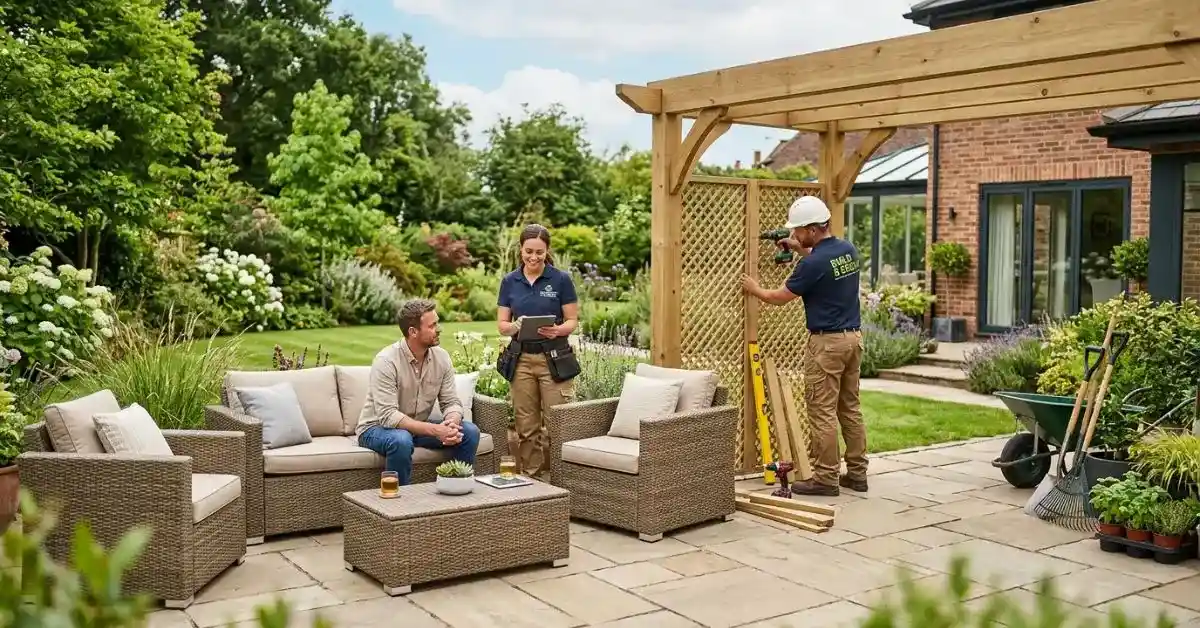
Garden Furniture
Most people buy outdoor furniture based on how it looks in a showroom or online photo. Then six months later it’s faded, rusting, or warped and they’re back to square one. Choosing the wrong material or style for your climate and space is an expensive mistake that’s easy to avoid.
What is garden furniture? Garden furniture refers to outdoor seating, tables, loungers, and accessories designed specifically for use in gardens, patios, decks, and other outdoor spaces. Unlike indoor furniture, it is built to handle weather exposure sun, rain, humidity, and temperature changes — using materials like teak, aluminum, rattan, or treated steel.
This guide walks you through every key decision: which materials last longest, what suits different outdoor spaces, how to maintain what you buy, and what to watch out for before spending your money.
Quick Summary
Garden furniture comes in several materials each with different durability, maintenance needs, and price points. Wood looks great but needs care. Metal is sturdy but can rust. Rattan is lightweight but weather-sensitive. This guide helps you match the right furniture to your space, climate, and budget.
The Most Common Garden Furniture Materials
The material your outdoor furniture is made from affects everything how long it lasts, how much upkeep it needs, how it handles your local climate, and what it costs over time. Here’s a clear breakdown of each.
Teak Wood
Teak is widely considered the gold standard for outdoor wood furniture. It contains natural oils that make it resistant to moisture, insects, and rot without much treatment needed.
Left untreated, teak weathers to a silver-grey color over time. Some people love this look. If you prefer the warm honey-brown color, a simple annual oiling keeps it that way. A quality teak dining set can last 20–30 years with basic care.
The downside is cost. Teak is expensive, often significantly more than other options. But if you’re buying furniture you plan to keep for decades, the cost-per-year is actually reasonable.
Eucalyptus Wood
Eucalyptus is a more affordable alternative to teak with similar natural oil content and weather resistance. It won’t last quite as long as high-grade teak, but it’s a solid choice for mid-range budgets. Needs oiling once or twice a year to maintain its appearance.
Aluminum
Aluminum is one of the most practical choices for outdoor furniture. It doesn’t rust, it’s lightweight enough to move around easily, and it requires almost no maintenance. A quick wipe down is usually all it needs.
Powder-coated aluminum furniture holds its color well and can handle most weather conditions without issue. In the southern US, where high humidity and sun exposure are constant concerns, aluminum performs consistently well. It’s a popular choice for patio dining sets and lounge chairs.
The main criticism is that aluminum can feel less substantial than wood or steel. Some cheaper aluminum frames flex or rattle. Stick with furniture that has thicker gauge aluminum tubing for better stability.
Steel and Cast Iron
Steel and cast iron furniture is heavy, sturdy, and has a classic look. The problem is rust. Unless the metal is galvanized or powder-coated properly, moisture will eventually cause surface rust and eventually structural damage.
Cast iron, in particular, is extremely heavy — which makes it hard to move but also means it won’t blow over in wind. It’s commonly found in traditional garden bench styles.
For steel furniture, check the coating quality before buying. Look for furniture with thick powder coating and rust-resistant primers underneath. Touch-up paint can address small chips before rust gets a foothold.
Synthetic Rattan (Resin Wicker)
Synthetic rattan also called resin wicker or all-weather wicker is one of the most popular choices for outdoor lounge furniture. It looks attractive, is relatively lightweight, and handles weather better than natural rattan.
The key word here is synthetic. Natural rattan should not be used outdoors it will deteriorate quickly in rain or humidity. Synthetic rattan is made from polyethylene and is UV-stabilized to prevent fading and cracking.
Quality varies a lot in this category. Look for tightly woven weave patterns and sturdy aluminum frames underneath. Loose weaving or thin frames are signs of lower quality that won’t hold up well over time.
Plastic and Resin
Plain plastic furniture — the kind you see stacked outside hardware stores — is cheap, lightweight, and easy to clean. It’s not going to win any design awards, but it works.
Higher-end resin furniture is more durable and looks considerably better. HDPE (high-density polyethylene) furniture in particular is used in commercial settings because it handles heavy use and weather exposure without fading or cracking.
For a budget-conscious patio setup or a secondary seating area, good quality resin furniture is a practical and underrated option.
Matching Furniture to Your Outdoor Space
The right furniture depends on your specific outdoor setup — not just the material, but the size, style, and how you actually use the space.
Small patios and balconies: need furniture that doesn’t overwhelm the space. Folding chairs and bistro tables work well here. Stackable chairs are useful when you need to store them after use. Look for slim profiles and avoid large sectional pieces.
Decks and larger patios: give you more flexibility. A full dining set fits well, or a combination of a lounge area and a dining area if the space allows. Think about traffic flow — there should be enough room to move around the table comfortably when chairs are pulled out.
Lawns and open garden spaces: suit furniture that can be moved around easily. Lightweight aluminum or folding wooden chairs are practical. Heavy cast iron benches work if you want permanent fixtures in specific spots.
Covered pergolas and outdoor rooms: can handle a wider range of materials since the furniture gets some protection from direct rain and sun. This is where you can consider softer cushioned seating that you might not want fully exposed to the elements.
What to Look for Before You Buy
A few practical checks before purchasing can save you a lot of disappointment later.
Check the weight. Lightweight furniture in a windy area is a problem. If your patio is exposed, choose heavier pieces or look for furniture designed with ground anchoring options.
Sit in it if you can. This sounds obvious, but many people buy garden furniture without testing comfort. Chair height, seat depth, and back angle all affect how comfortable a chair actually is for extended sitting.
Look at the joints and fixings. Where pieces connect is where cheap furniture fails first. Stainless steel fixings are far more durable than plated screws or bolts that will rust. Check that joints feel solid, not loose or flexible.
Think about cushions separately. Many furniture sets come with cushions that look good but aren’t genuinely weatherproof. Look for cushions with covers made from solution-dyed acrylic fabrics — brands like Sunbrella are well-regarded for outdoor use in the US. These hold color and resist mildew far better than standard polyester fills.
Consider storage. Where will the furniture go in winter or during storms? If you have limited storage, folding or stackable furniture is practical. If you’re buying large pieces like sofas or dining sets, factor in whether you’ll use covers or have indoor storage available.
How to Maintain Garden Furniture
The single biggest factor in how long outdoor furniture lasts isn’t the material — it’s how well you maintain it.
Wood furniture needs cleaning once or twice a year and oiling or sealing depending on the wood type. Use a product specifically designed for outdoor wood. Avoid pressure washing wood furniture — it can raise the grain and cause cracking over time.
Metal furniture needs checking for rust spots, especially at joints and fixings. Touch up any chips or scratches in the coating quickly to prevent rust spreading. Store or cover metal furniture during winter months if possible.
Synthetic rattan and resin is the easiest to maintain. Wipe down with soapy water and a soft cloth. Avoid abrasive cleaners that can scratch the surface. Check that the frame underneath — usually aluminum — hasn’t bent or corroded at connection points.
Cushions should be stored indoors or in a waterproof deck box when not in use for extended periods. Even weatherproof cushions last longer when they’re not constantly wet. Wash cushion covers according to the label — most can be hand-washed or put on a gentle machine cycle.
Furniture covers are worth having for any significant outdoor furniture investment. A good cover keeps off bird droppings, tree sap, UV damage, and moisture during off-season storage. Make sure covers are breathable — non-breathable covers trap moisture and can cause mold.
A Quick Material Comparison
| Material | Durability | Maintenance | Weight | Best For |
|---|---|---|---|---|
| Teak Wood | Excellent | Low to moderate | Heavy | Long-term investment pieces |
| Eucalyptus Wood | Good | Moderate | Medium | Mid-range budgets |
| Aluminum | Very good | Very low | Light | All-round use, humid climates |
| Steel / Cast Iron | Good | Moderate to high | Very heavy | Fixed benches, traditional style |
| Synthetic Rattan | Good | Low | Light to medium | Lounge and casual seating |
| HDPE Plastic | Good | Very low | Light | Budget-friendly, low maintenance |
Conclusion
Good garden furniture isn’t just about looks. It’s about choosing the right material for your climate, maintaining it consistently, and buying quality where it matters most at the joints, the frame, and the fixings.
If you’re working with a smaller budget, aluminum or good-quality resin will serve you well without much upkeep. If you want furniture that becomes a long-term part of your outdoor space, teak is worth the investment.
If you’re planning a full outdoor space refresh, you might also find it useful to read about how to design a small patio on a budget or the best outdoor lighting ideas for gardens and decks — both connect directly to creating an outdoor space you’ll actually use.
Frequently Asked Questions
What is the most durable material for garden furniture?
Teak and powder-coated aluminum are the top choices. Teak resists moisture naturally. Aluminum never rusts and needs almost no upkeep. Both last well over a decade with basic care.
How do I protect garden furniture in winter?
Use breathable covers, store cushions indoors, and move light pieces into a garage if you can. Oil wood furniture before winter. Treat rust spots on metal before covering for the season.
Is garden furniture the same as patio furniture?
Yes. “Patio furniture” is the common term in the US. “Garden furniture” is standard in the UK. Same products, different name depending on where you are.
How much should I spend on garden furniture?
Expect $400–$800 for a decent aluminum or rattan dining set. Teak runs $1,000–$3,000+. Think cost per year quality furniture bought once is almost always cheaper than replacing budget pieces every few seasons.
Can garden furniture be left outside all year?
Teak, aluminum, and synthetic rattan handle year-round exposure well with covers. Steel and iron need more rust protection. Always store cushions when not in use. In cold, wet climates, bringing pieces indoors over winter makes a real difference.