

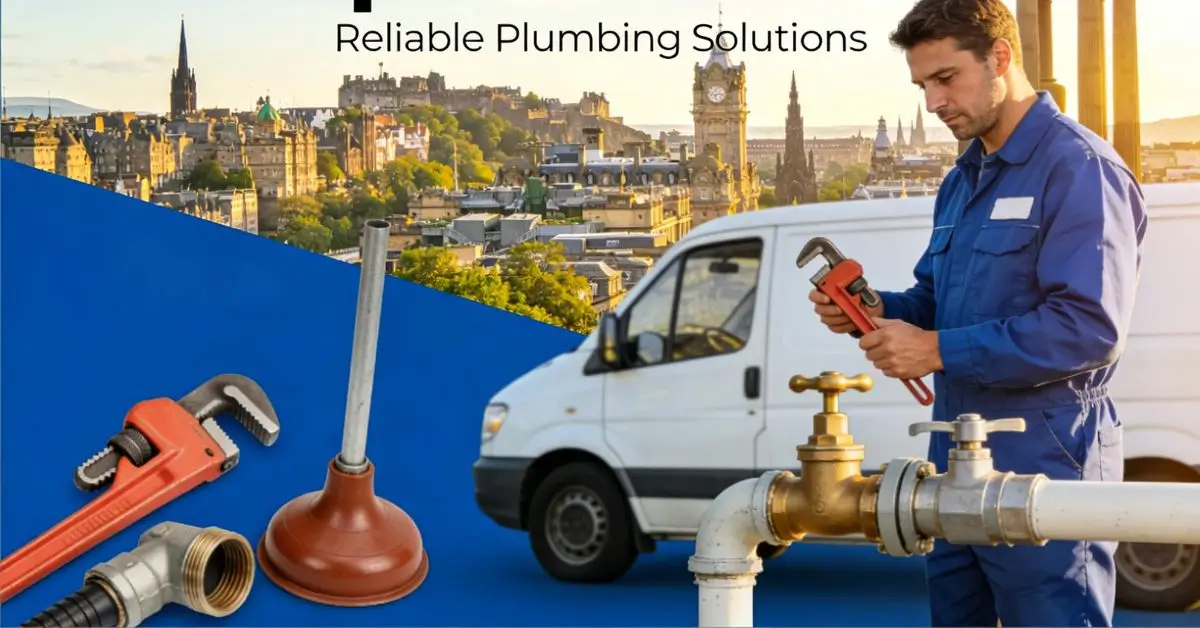
Edinburgh Plumbers: How to Find One You Can Trust and What to Expect
A burst pipe at midnight. A boiler that stops working in January. A bathroom leak that is slowly damaging the floor beneath it. Plumbing problems never wait for a convenient moment, and when they happen in Edinburgh, you need a qualified plumber quickly and with confidence that the job will be done right.
The challenge is that the plumbing industry in Scotland, like elsewhere, has its share of unreliable traders alongside its excellent ones. Knowing what qualifications to look for, what fair prices look like, and what questions to ask before anyone starts work protects you from expensive mistakes at an already stressful time.
This guide covers everything you need to find, vet, and hire a reliable Edinburgh plumber, whether you need emergency help right now or are planning a renovation and want someone you can trust with a bigger project.
Edinburgh plumbers are licensed and qualified tradespeople operating in Edinburgh and the surrounding Lothians area who install, repair, and maintain domestic and commercial plumbing systems. In Scotland, plumbers working on gas appliances must be Gas Safe registered, while those working on water supply systems should hold relevant SNIPEF or CIPHE qualifications. Hiring an unregistered plumber in Scotland carries both safety and legal risks.
Quick Summary
Finding a reliable plumber in Edinburgh means checking for Gas Safe registration for any gas work, SNIPEF membership for general plumbing quality assurance, and verifiable local reviews. Emergency call-out rates in Edinburgh typically range from £80 to £150 per hour. Always get a written quote before work starts and confirm whether VAT is included. Read on for the full guide.
Why Hiring the Right Plumber in Edinburgh Matters
Edinburgh has a wide mix of housing stock, from Victorian tenements in Leith and Newington to modern new builds in areas like Granton and the western suburbs. Each property type comes with its own plumbing characteristics and potential issues.
Victorian and Edwardian properties often have older pipework that requires careful handling. Lead pipes, while now rare, still exist in some older Edinburgh properties and require specialist knowledge to replace safely. Cast iron waste pipes common in tenement buildings behave differently from modern plastic systems and need a plumber who has actually worked on them before, not one who just claims they have.
Modern new builds have their own challenges, particularly around warranty requirements and the need to use materials and installation methods that comply with current Scottish building regulations.
A plumber with genuine Edinburgh experience understands this variety and can advise you appropriately based on your specific property rather than giving generic guidance that might not apply to your situation.
Qualifications That Matter for Edinburgh Plumbers
This is the most important section for anyone hiring a plumber in Scotland. Qualifications and registrations vary by type of work, and knowing which ones are relevant protects you from both unsafe work and unenforceable guarantees.
Gas Safe Registration
Any plumber working on gas appliances, boilers, gas fires, or gas pipework in Edinburgh must be registered with the Gas Safe Register. This is a legal requirement under UK law, not an optional accreditation. Working on gas appliances without Gas Safe registration is illegal and extremely dangerous.
You can verify any plumber’s Gas Safe registration by asking for their Gas Safe ID card, which shows their name, registration number, and the specific gas work they are qualified to carry out. You can also verify registration directly on the Gas Safe Register website at gassaferegister.co.uk.
Never let anyone work on your gas appliances without confirming this registration first, regardless of how they were recommended to you.
SNIPEF Membership
The Scottish and Northern Ireland Plumbing Employers’ Federation is the trade body representing professional plumbing and heating businesses in Scotland. SNIPEF membership indicates that a plumbing company meets professional standards, carries appropriate insurance, and has agreed to follow a code of conduct.
SNIPEF member businesses offer a guarantee-backed service, which means if the work is disputed or goes wrong, there is a formal resolution process available to you. This is particularly valuable for larger jobs like bathroom installations or heating system work where disputes can involve significant sums.
CIPHE Membership
The Chartered Institute of Plumbing and Heating Engineering is a professional membership body for individual plumbers rather than companies. A plumber who holds CIPHE membership has demonstrated technical knowledge and professional commitment that goes beyond the basic trade qualification.
Scottish Water Regulations
Any plumbing work that connects to the mains water supply in Scotland must comply with Scottish Water’s bylaws and regulations. A qualified Edinburgh plumber will know these requirements and work to them automatically. An unqualified or out-of-area plumber may not, which can create problems when you sell your home or make an insurance claim.
Types of Plumbing Services in Edinburgh
Edinburgh plumbers cover a wide range of residential and commercial services. Here is what falls within the scope of general plumbing work versus what requires specialist qualifications.
General Plumbing Repairs
Leaking taps, burst pipes, blocked drains, running toilets, slow drainage, and pipe replacements are all standard general plumbing work. Any qualified plumber should be able to handle these reliably.
Boiler Installation and Servicing
Boiler work requires Gas Safe registration. This includes new boiler installation, boiler servicing, repairs to existing boilers, and gas central heating system work. Edinburgh winters are cold and a reliable boiler is not optional. Annual boiler servicing is recommended for both efficiency and safety.
Bathroom Installation
Full bathroom fitting, including new baths, showers, toilets, basins, and associated pipework, is a significant project that benefits from an experienced plumber or a combined plumbing and tiling team. Confirm whether the plumber handles all aspects of the installation or subcontracts certain elements.
Central Heating Systems
Radiator installation, system flushes, power flushes, and underfloor heating installation all fall within the heating side of plumbing work. Power flushes are particularly common in Edinburgh’s older housing stock where radiators have been accumulating sludge for decades.
Emergency Plumbing
Burst pipes, severe leaks, loss of hot water, and boiler breakdowns qualify as plumbing emergencies. Edinburgh plumbers who offer emergency call-out services typically charge a higher rate for out-of-hours response, which is fair given the nature of emergency work.
What Edinburgh Plumbing Services Cost
Cost is one of the most common concerns when hiring a plumber and one of the areas where expectations are most often misaligned. Here is a realistic overview of what different services cost in Edinburgh.
| Service Type | Typical Cost Range | Notes |
|---|---|---|
| Standard hourly rate | £50 to £80 per hour | During normal working hours |
| Emergency call-out rate | £80 to £150 per hour | Out-of-hours, weekends, bank holidays |
| Boiler service | £60 to £120 | Annual service recommended |
| Boiler replacement | £1,500 to £3,500 | Depends on boiler type and complexity |
| Leaking tap repair | £60 to £150 | Including parts |
| Blocked drain clearance | £80 to £200 | Depends on severity |
| Full bathroom installation | £3,000 to £8,000+ | Labour only, materials additional |
| Power flush | £300 to £600 | Depends on system size |
These figures reflect Edinburgh market rates and can vary based on the plumber’s experience, company size, and the specific complexity of your job. Always get two or three quotes for any job above £200 to ensure you are being charged a fair rate.
How to Find and Vet an Edinburgh Plumber
Finding a plumber in Edinburgh is straightforward. Finding a good one takes slightly more effort and is worth it every time.
Use verified directories first
Start with SNIPEF’s member directory at snipef.org, the Gas Safe Register for gas work, or Checkatrade and Rated People where reviews are verified against completed jobs. These platforms give you a starting point of tradespeople who have agreed to minimum standards.
Check reviews carefully
Look for reviews that describe specific jobs rather than just general praise. A review that says the plumber fixed a leak in a Victorian tenement flat in Marchmont and managed a difficult access situation tells you something real. Generic positive reviews tell you very little.
Ask for references on larger jobs
For bathroom installations, boiler replacements, or any job over £500, asking for references from recent customers is completely reasonable. A confident, experienced plumber will provide them without hesitation.
Get written quotes
A written quote protects both you and the plumber. It should specify the work to be done, the materials to be used, the total cost, and whether VAT is included. Verbal quotes can be disputed. Written ones cannot.
Confirm insurance
Any plumber working in your home should carry public liability insurance. If their work causes accidental damage to your property, this insurance covers the cost. Ask to see evidence of current insurance cover before work starts.
Be wary of unsolicited approaches
Legitimate Edinburgh plumbers do not knock on doors offering to check your pipes. Unsolicited approaches of this kind are almost always associated with overcharging or unnecessary work. If someone approaches you this way, politely decline and find a plumber through a verified source.
Emergency Plumbing in Edinburgh: What to Do
A genuine plumbing emergency requires quick, calm action. Here is the right sequence.
Step 1: Stop the water
Find your stopcock and turn off the mains water supply. In most Edinburgh homes, the stopcock is under the kitchen sink or near the front door. Knowing where yours is before an emergency happens is genuinely important.
Step 2: Assess the situation
Is the water still running after turning off the mains? Is it a boiler issue rather than a water supply issue? Is there any gas smell? A gas smell requires calling the National Gas Emergency number at 0800 111 999 immediately, not a plumber.
Step 3: Call an emergency plumber
Contact a Gas Safe registered emergency plumber for boiler issues or a qualified emergency plumber for water supply problems. Be clear about what has happened and what you have already done, including turning off the stopcock.
Step 4: Document the damage
Take photos or video of any visible damage before the plumber arrives. This is important for insurance claims and for verifying the scope of work needed.
Conclusion
Finding a reliable Edinburgh plumber is genuinely straightforward when you know what to look for. Check Gas Safe registration for any gas work. Look for SNIPEF membership for quality assurance on general plumbing. Get written quotes. Check verified reviews. Know where your stopcock is before an emergency happens.
The extra twenty minutes spent vetting a plumber before a job starts consistently produces better outcomes than hiring the first name you find when you are stressed and under pressure from a live plumbing problem.
If this guide helped you prepare for hiring a plumber, take a look at our related articles on how to maintain your home’s plumbing system and what to do in a plumbing emergency. Both give you practical information for staying ahead of problems before they escalate.
Frequently Asked Questions
How do I find a reliable Edinburgh plumber?
Use the SNIPEF directory or Gas Safe Register as a starting point, then check verified reviews on Checkatrade. Get two or three written quotes for jobs above £200 and confirm insurance cover before work starts.
Do Edinburgh plumbers need to be registered?
Gas Safe registration is legally required for any gas appliance work. For general plumbing, SNIPEF membership is the main quality indicator. Working with an unregistered gas engineer is illegal and dangerous.
How much do emergency plumbers charge in Edinburgh?
Emergency rates typically range from £80 to £150 per hour. Weekend and bank holiday rates sit at the higher end. Always confirm the call-out rate before agreeing to an emergency visit.
What should I do if I have a burst pipe?
Turn off the mains water at the stopcock, usually under the kitchen sink. Call an emergency plumber and photograph any damage for insurance. In a tenement, notify your factor or building manager too.
Can I do my own plumbing in Edinburgh?
Minor DIY like replacing washers or unblocking drains is fine. Mains water connections must meet Scottish Water regulations and all gas work must be done by a Gas Safe registered engineer.